
- Windows
Drafty Windows in Tulsa: 5 Causes and the Right Fix for Each
Some drafts need a free fix, some need a cheap part, and some mean the window or its install is the problem. Here is how to tell which one you have.

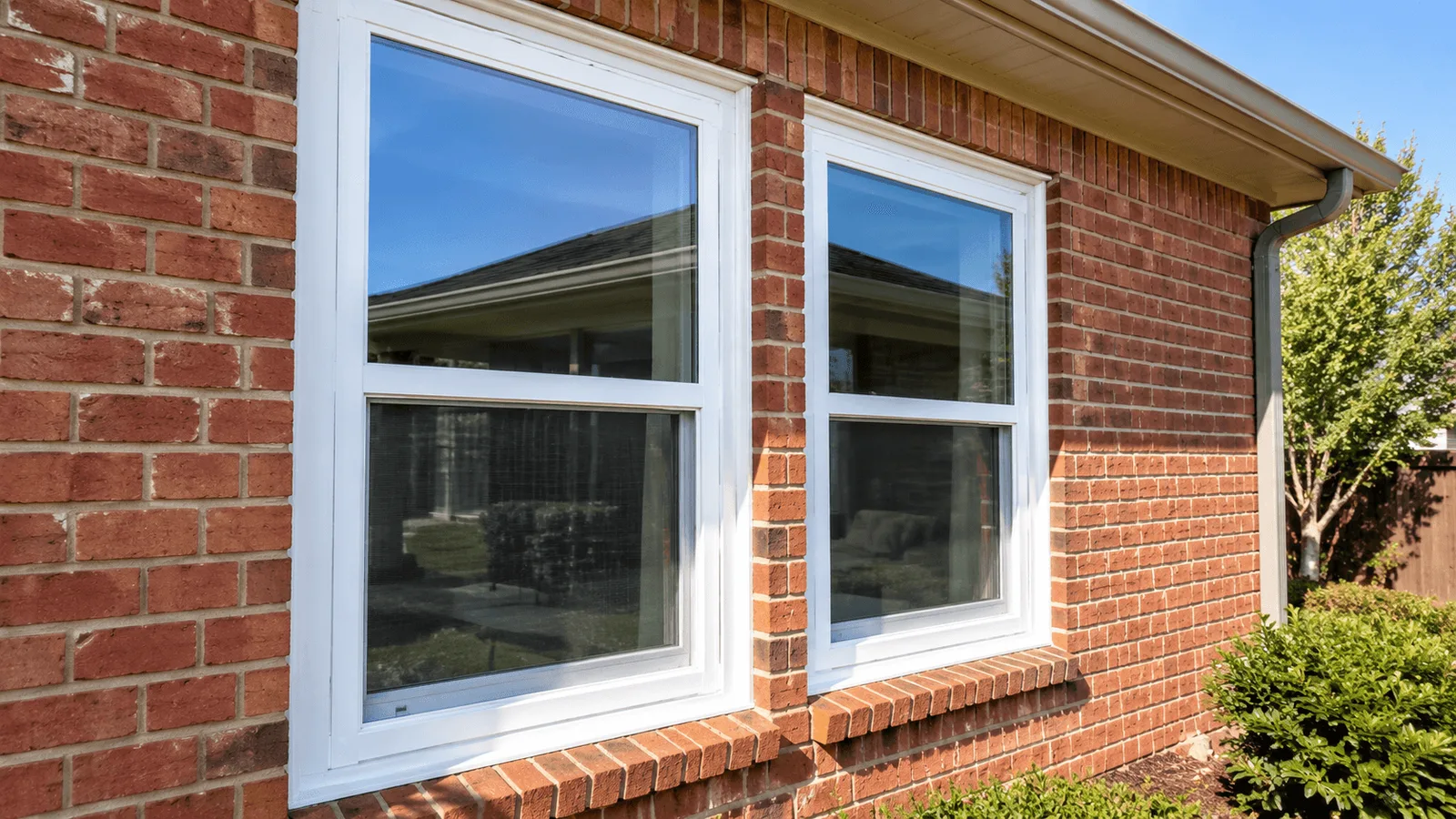
A drafty window is one of five problems: a sash that is not locked, worn weatherstrip along the sash, an open gap between the frame and the wall, a frame that has gone out of square, or no leak at all, just cold glass cooling the air beside it. Each one has a different fix, and they range from free to a new window. Spend five minutes finding which one you have before you buy anything.
If the window is only a few years old and it is locked, the draft is almost always the installation, not the window. ENERGY STAR says it plainly: even the best windows “can be drafty if they are poorly installed.” More on that below, because it changes who should be paying for the fix.
We replace windows across Tulsa, Broken Arrow, Owasso, Jenks, and the rest of Northeastern Oklahoma, and we check every frame and sill at every estimate. This is the order we use to sort out a drafty window.
Which Draft Do You Have?
Start with where you feel the air. This table is how our crew narrows it down at the window, before anyone talks about replacing anything.
| Where you feel it | What it usually means | The quick check | The fix that matches |
|---|---|---|---|
| Where the two sashes meet in the middle | Sash not locked, or the lock no longer pulls the sashes together | Lock it and feel again | Lock it, or adjust the lock and keeper. Free |
| Along the sides of the moving sash | Worn or flattened weatherstrip | Run a hand along the sash edge on a windy day | New weatherstrip for that window. Low cost, do-it-yourself |
| Around the inside trim, not the sash | Gap between the frame and the wall, never insulated or sealed | Smoke pulls at the seam between trim and wall | Seal the gap behind the trim and outside. Low cost, do-it-yourself |
| A gap that is wider at one end, or a sash that will not latch | Frame out of square, or a warped or rotted sash | Close it and look at the gap from top to bottom | Replacement. $950 to $1,250 per window installed |
| In front of the glass, worst on calm nights | Cold glass, not a leak | Smoke sinks straight down in front of the glass | Shades or curtains, or better glass. $750 to $950 for glass only |
Air can also come from places that are not the window at all: outlets on outside walls, baseboards, and the attic hatch. If the window checks out tight, look there before you spend money on glass.
Is It a Draft or Just Cold Glass?
This is the one most people get wrong, and it is why some homeowners caulk a window three winters in a row and still feel cold.
Glass in an older window runs cold in January. The air touching it cools, gets heavier, and slides down the glass to the floor. In a quiet room, that falling air feels exactly like a draft across your ankles, but nothing is leaking. ENERGY STAR describes the other half of it: an inefficient window pulls heat from your body when you sit near it, while better glass stays warmer on the room side.
Here is the test. Pick a calm day so wind is not pushing air through real gaps. Hold an incense stick near the edges of the frame, then in front of the middle of the glass. Smoke that jumps sideways at an edge is a leak. Smoke that sinks slowly straight down in front of the glass is cold glass. Caulk and weatherstrip cannot touch that one.
The fix for cold glass is a layer between you and it, like cellular shades or lined curtains closed at night, or better glass. If the glass also shows fog or water trapped between the panes, the seal has failed and the insulating gas is gone, and a glass-only replacement at $750 to $950 per opening restores it without replacing a sound frame. Fog between the panes has its own guide: window condensation inside, outside, or between the panes.
Why Is Cold Air Coming In Where the Sashes Meet?
On a double-hung or a slider, the middle is the weak spot. The lock on a double-hung is not just security. It pulls the two meeting rails together and squeezes the weatherstrip between them. An unlocked double-hung leaks all winter even when it looks shut.
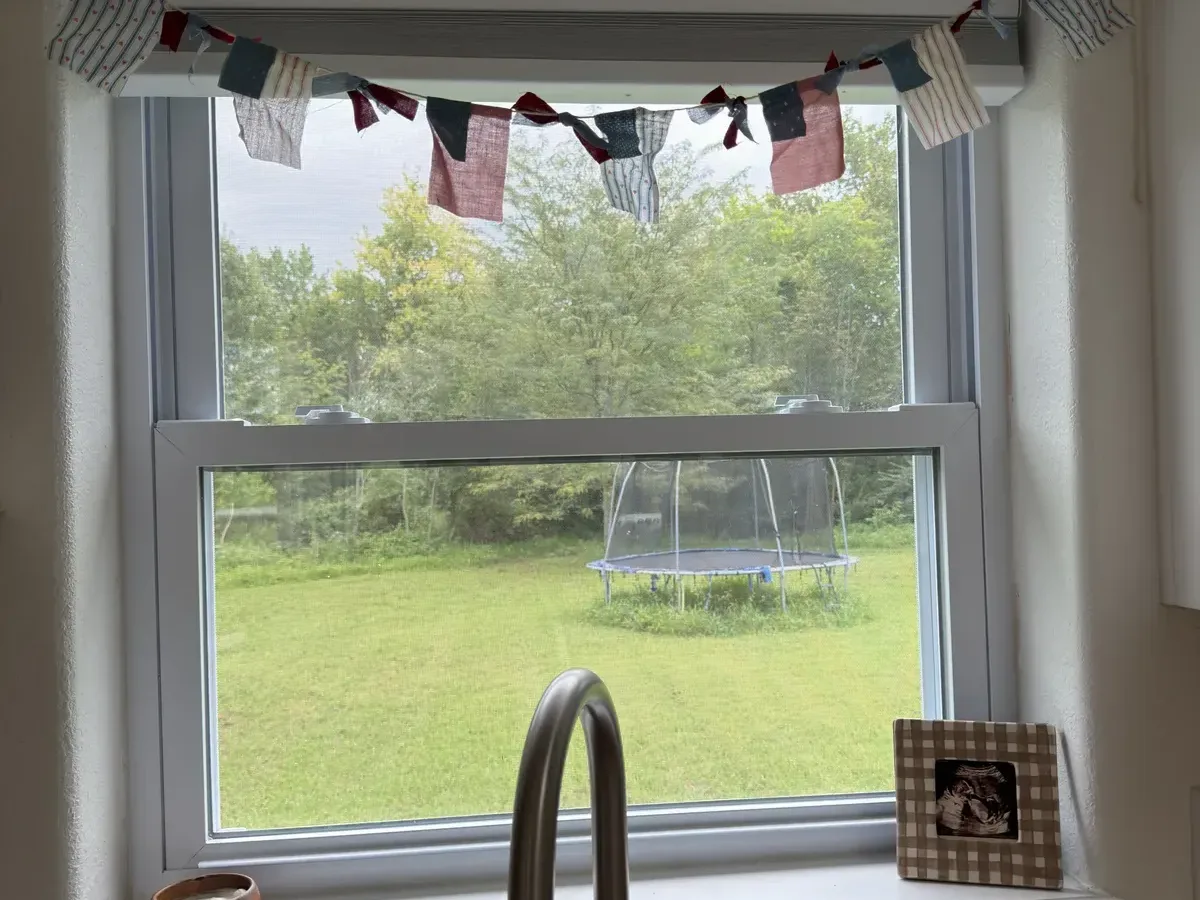
Lock it and feel again. If the draft stops, you are done. If the lock will not reach its keeper, or it takes force to turn, the sash may have sagged or the keeper may have shifted. Loosening the keeper screws and moving it a little is often all it takes. If the lock still will not pull the rails together, the sash itself has warped, and that points toward the last two causes in the table.
Why Is Air Coming In Along the Sides of the Sash?
Every operating sash slides against a strip of weatherstrip, usually a foam, vinyl, or pile strip in the side channels. After years of opening and closing, and a few Oklahoma summers baking it, that strip flattens or tears, and air walks right past it.
Run the back of your hand along the sash edge on a windy day. A steady stream along one side means the strip on that side is done. Replacement weatherstrip is cheap, but it has to match the window’s profile, so take a piece of the old strip to the store or look for a maker’s name on the frame. Rope caulk pressed into the gap gets you through a cold snap, and it peels out in spring. Our winterizing guide covers those seasonal stopgaps one by one.
Why Is Air Coming From Around the Trim?
If the sash is tight but you feel air at the seam where the inside trim meets the wall, the leak is behind the trim, in the space between the window frame and the framing of the house. That space is supposed to be filled with insulation and sealed. On a lot of houses, it never was, or the window was replaced at some point and nobody filled it.
You cannot see this one from the room, which is why it gets missed. Smoke pulling at the trim seam is the giveaway. The real fix is to take the trim off, fill the gap with low-expansion foam made for windows, put the trim back, and seal the outside joint where the frame meets the brick or siding. Regular expanding foam can push a frame out of shape, so use the window and door kind.
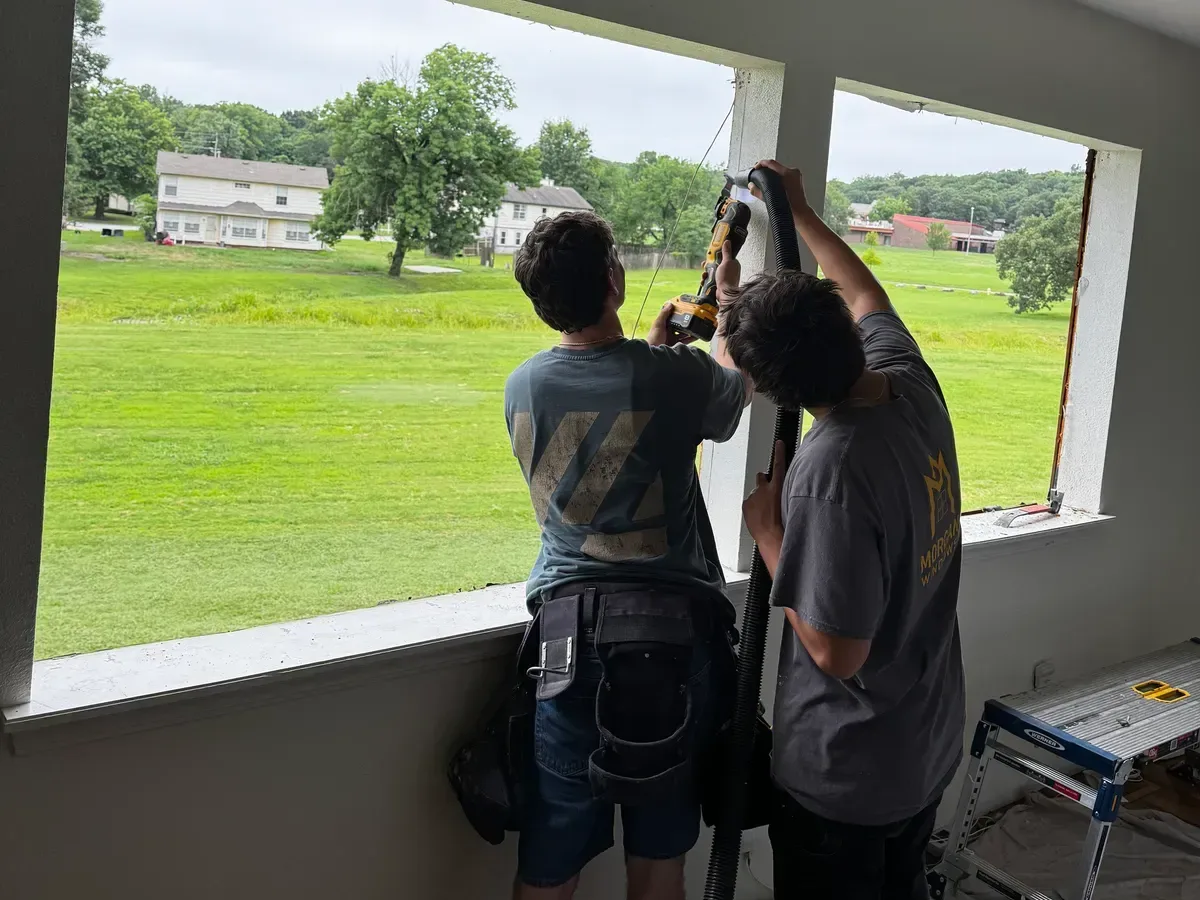
When we install a window, this is the step that decides whether it is drafty in January: every window is set, shimmed, insulated, and sealed before the trim goes back on.
Why Won’t My Window Close Tight Anymore?
Close the window and look at the gap between the sash and the frame from top to bottom. If it is wider at one end, or the sash rubs in one corner and will not latch, the opening has moved. In our part of Oklahoma, clay soil that swells when it is wet and shrinks when it is dry moves houses, and an opening that was square when the window went in can rack out of square over the years. Freeze-thaw cycles open up rot in wood sills and sashes the same way.
No weatherstrip seals a gap that changes shape every season. This is the point where repairs turn into a yearly bill: film, rope caulk, a towel on the sill. Push a screwdriver into the sill and the bottom corners of the frame. Soft or spongy wood means the frame is done.
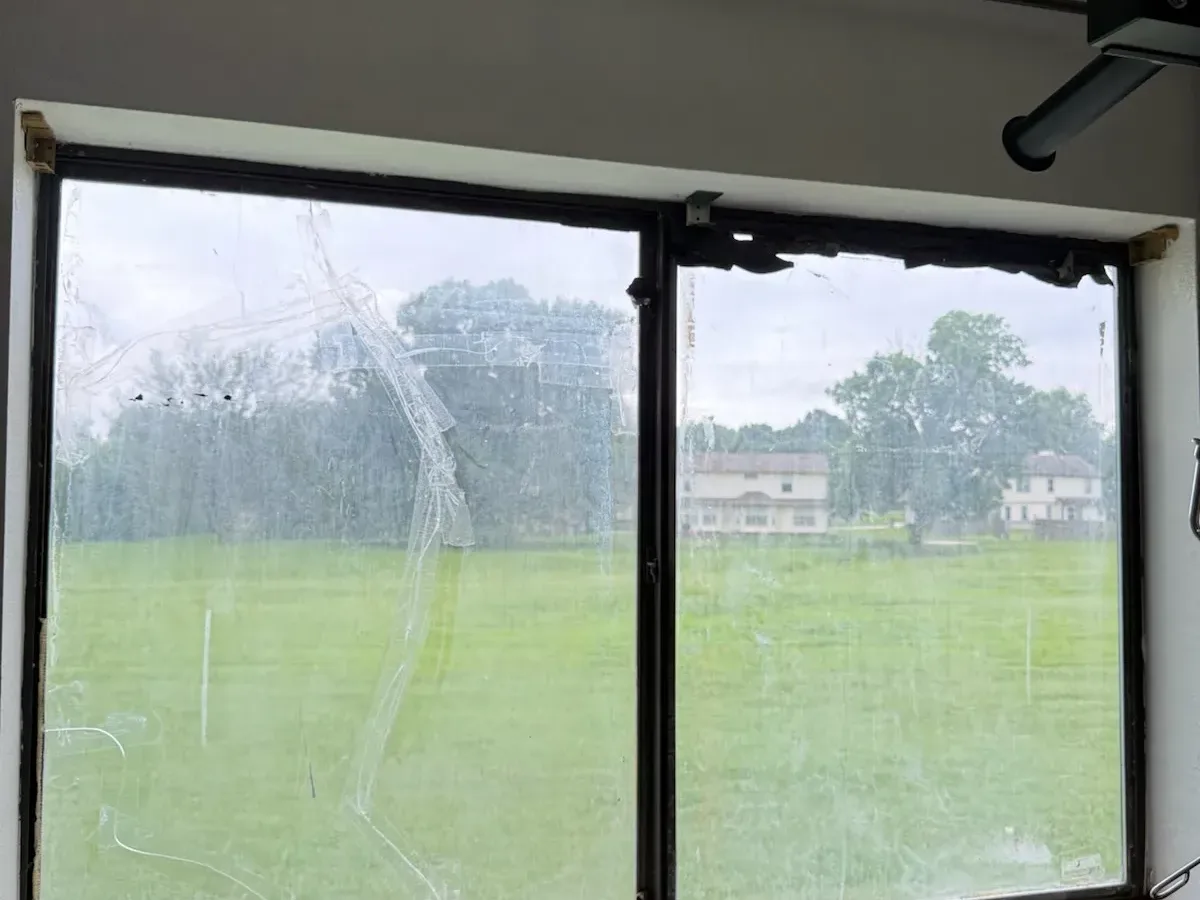
A frame that is still square and solid can usually take an insert replacement, which goes in without disturbing the trim or siding. A frame that is rotted, warped, or out of square needs full-frame replacement down to the rough opening. Our window replacement page compares the two side by side.
Why Are My New Windows Drafty?
This is the gap in most of what you will read about drafty windows: if the window is new, the product is rarely the problem.
Work through it in this order:
- Is it locked? New double-hungs and sliders are built to seal only when locked.
- Is the sash sitting even? A sash that is not closing evenly against the frame may need a hardware adjustment, which is a quick fix for the installer.
- Is the air at the trim? That is the gap between the frame and the wall, and it means the window was not fully insulated or sealed when it went in.
The NFRC label on a new window can list an Air Leakage rating, which NFRC defines as how much air will enter a room through the product. Lower is tighter. A window with a good rating can still leak through a bad install, because that rating covers the product, not the gap around it.
That matters for who pays. A manufacturer’s warranty covers defects in the window itself. Drafts from the installation fall on the installer. Our 5-year workmanship warranty covers the fit, shimming, insulation, sealing, flashing, and trim, including leaks or drafts caused by how we installed the window. If your new windows are drafty, call whoever installed them first, and ask what their workmanship warranty covers before you sign with anyone.
Fix It or Replace It?
Here is the honest answer. If locking the sash, new weatherstrip, or sealing behind the trim stops the draft, do that and keep the window. A window with a square frame, sound wood, and a good glass seal does not need replacing because it was drafty.
Replace when the draft comes from something a repair cannot reach: a frame out of square, a sash that will not latch, rot in the sill, or single-pane glass you have been treating every winter. A full window replacement runs $950 to $1,250 per window installed. If four windows on the north side of the house are the problem, that is 4 x $950 to $1,250, or $3,800 to $5,000, and you do not have to do the whole house at once. Financing is available for qualifying projects.
Not Sure Which One You Have?
Run the smoke test this week while it is cold, and you will know more than most people do before an estimate. If it points to the frame, the sill, or the install, we will look at every window and tell you straight which ones need a fix and which ones need replacing.
Call Morgan Windows at (918) 400-2326 or request a free in-home estimate. We are locally owned, our installation is backed by a 5-year workmanship warranty, and there is no pressure to decide that day. We serve Tulsa, Broken Arrow, Owasso, Jenks, Bixby, Sand Springs, and the rest of Northeastern Oklahoma.