Commercial Doors in Tulsa, OK: Installation & Replacement

Steel, Storefront and FRP Doors
for Tulsa-Area Businesses

Google★★★★★
y
Yelp★★★★★
Facebook★★★★★
  • Written bid with hardware listed
  • Fully In-House Crew
  • Closers set to ADA timing
  • 5-Year Workmanship Warranty

Get Your Free Estimate Today

We'll follow up within one business day.

We respect your privacy and never sell your information.

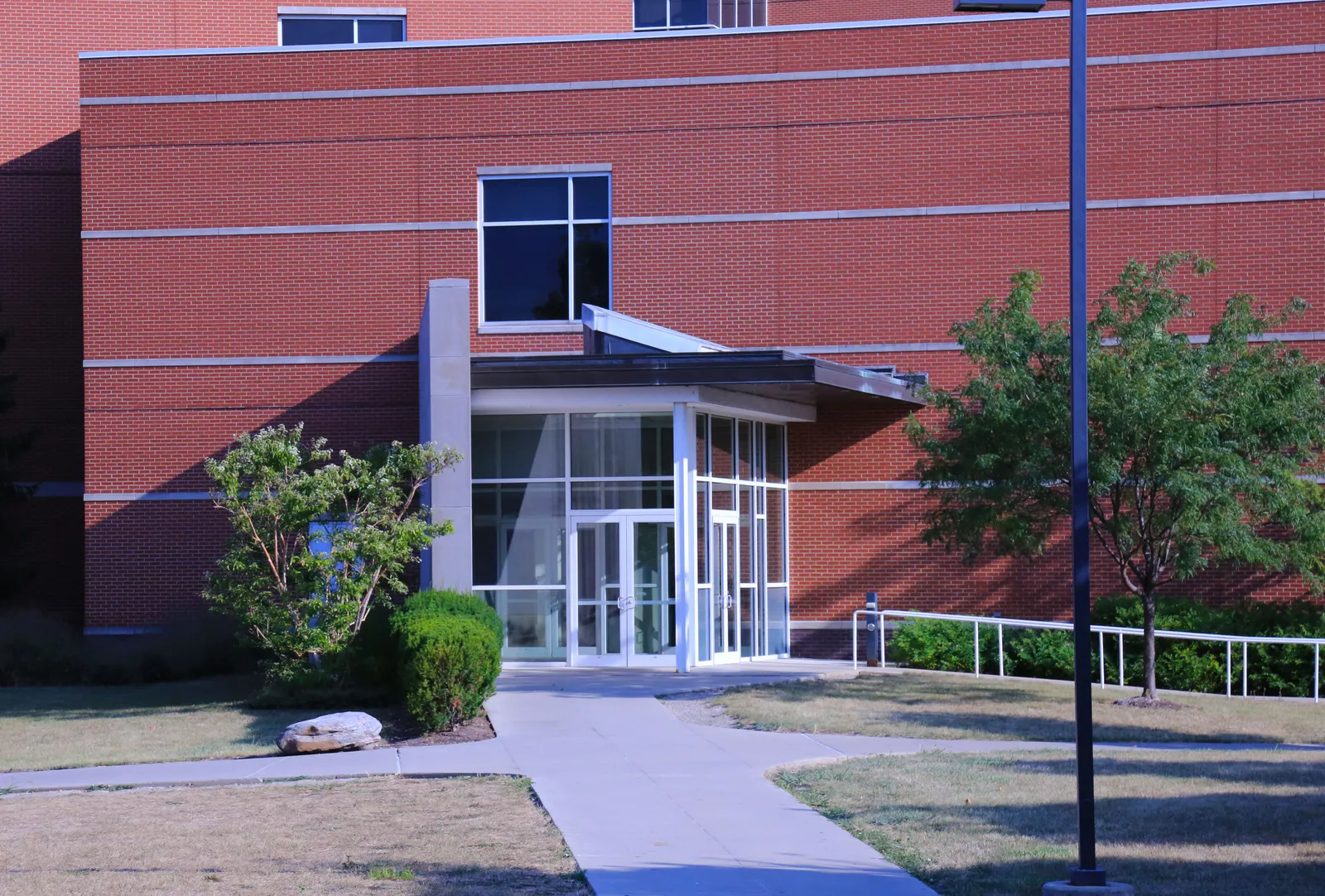
Aluminum and glass entrance on a brick commercial building

Commercial doors in Tulsa at a glance

Morgan Windows installs and replaces commercial doors across Tulsa and Northeastern Oklahoma: hollow metal steel doors and frames, aluminum storefront entrances and FRP doors, with the closers, exit devices and thresholds that go with them. Our own crew installs every door, and every install carries a 5-year workmanship warranty.

Pricing
Bid per opening. Door type, frame, glass, hardware set and work hours set the price, and the written bid lists the hardware line by line.
Products
We install the door and hardware your spec or building calls for. We are not tied to one manufacturer.
Timeline
Custom doors usually arrive about 2 to 4 weeks after order. A single door is usually a half-day to full-day install once it is on site.
Warranty
Our 5-year workmanship warranty on the install, plus the manufacturer's warranty on the door, frame and hardware, passed on to the owner.

By the numbers

Tulsa-area windows, doors and siding from a crew you can reach.

One local crew bids, schedules and installs every opening, and answers for it afterward.

2024
Founded in Catoosa, locally owned
5 yr
Workmanship warranty on every install
1 day
Business day to hear back after you ask
15
Cities across Northeastern Oklahoma

Commercial entry doors

The Main Types of Commercial Door

Most commercial openings use one of three systems. Which one fits depends on traffic, security, moisture and the look you want from the street.

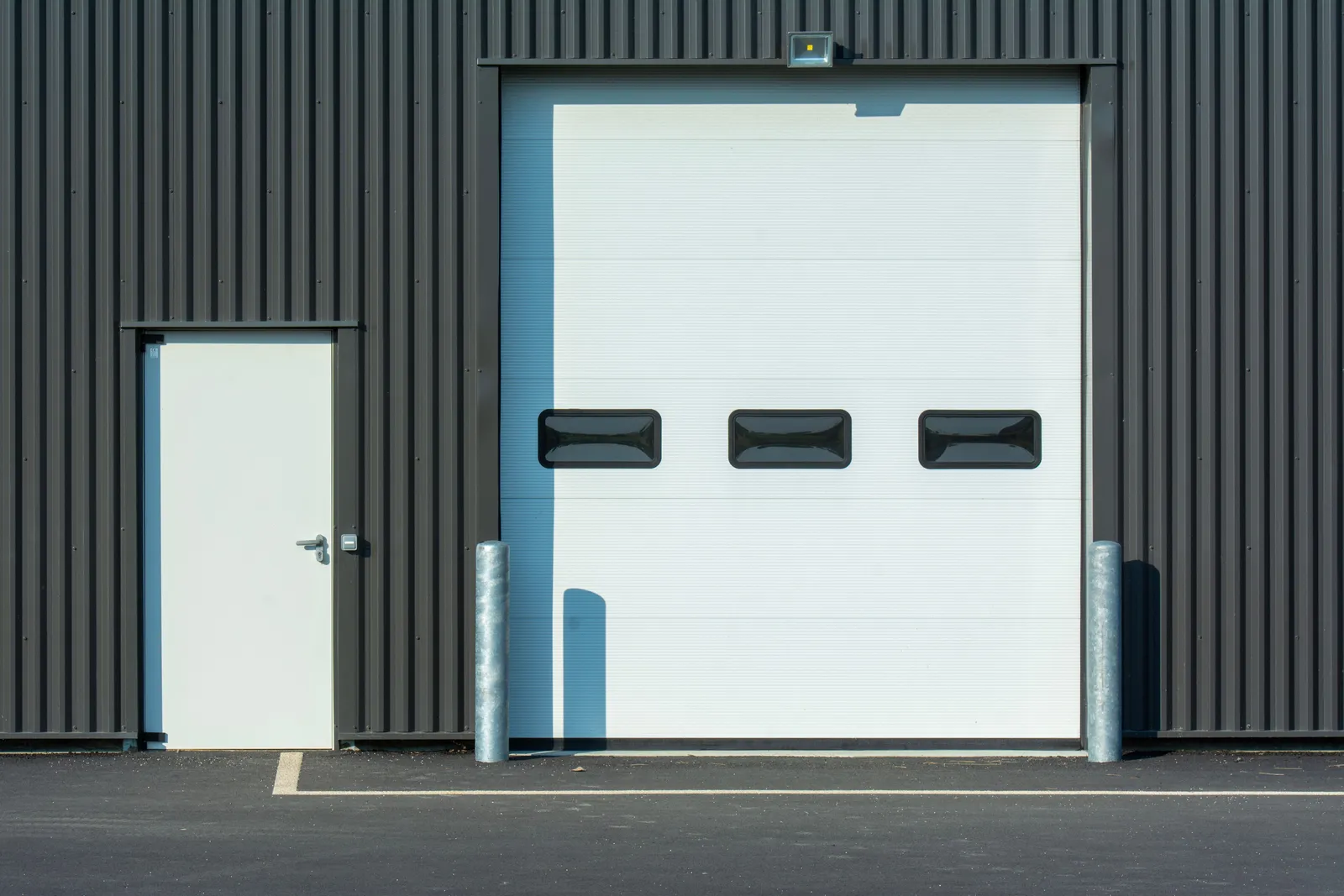
Steel service door and frame beside an overhead door on a metal buildingCommercial steel doors

Hollow metal steel doors and frames

Steel face sheets over a core, hung in a steel frame. The standard for back doors, service doors, stairwells, mechanical rooms and classrooms. The Steel Door Institute grades them in four levels, from Level 1 standard duty with 20-gauge faces to Level 4 maximum duty with 14-gauge faces.

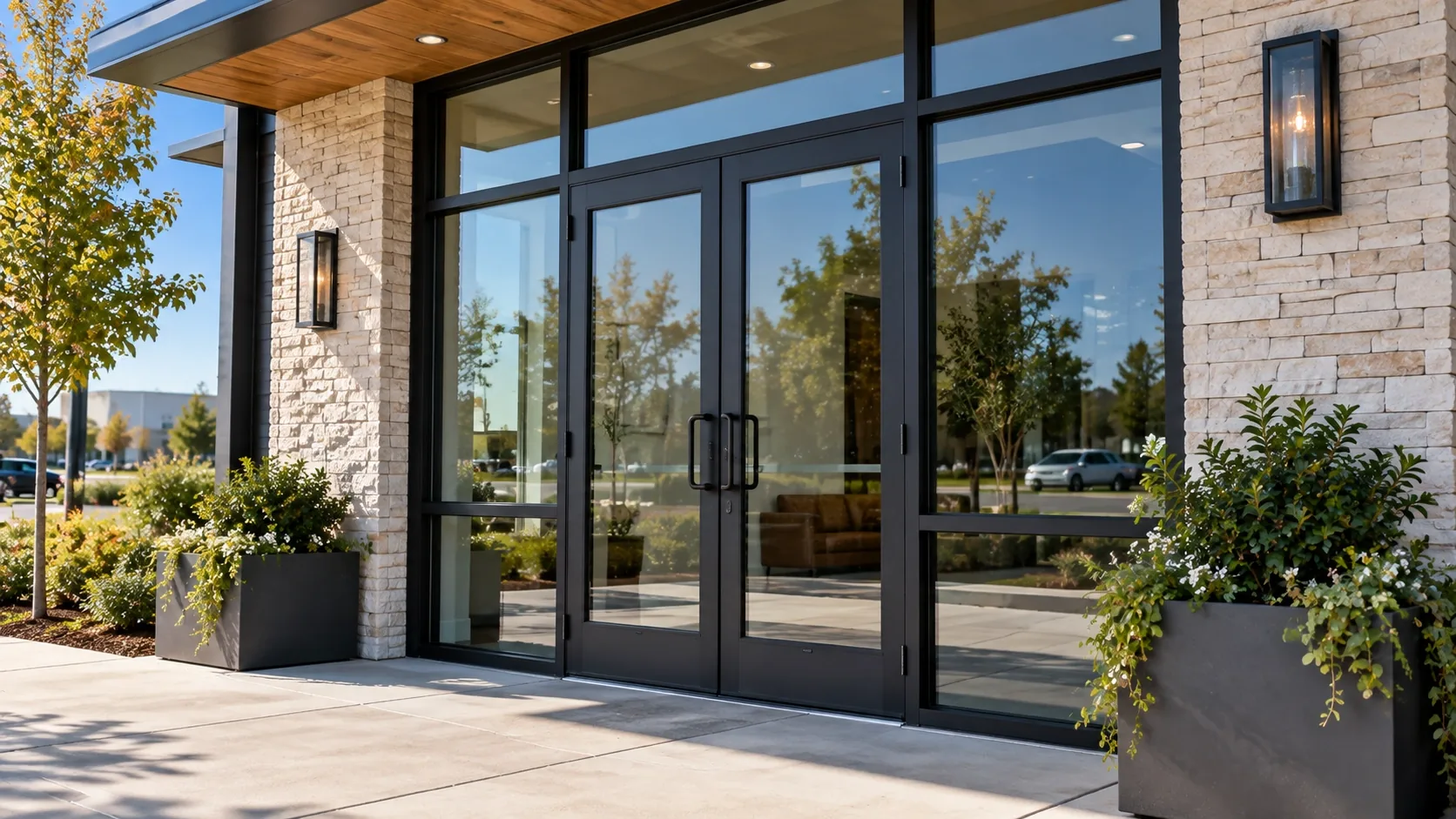
Aluminum storefront double doors with full glass on a stone and brick buildingAluminum storefront doors

Aluminum storefront entrances

Glass set in an aluminum door and framing system. The front door of most shops, offices and clinics. Stile width sets strength: one major maker lists 2-1/8 inch narrow stiles for moderate traffic, 3-1/2 inch medium stiles for high-traffic schools and institutions, and 5 inch wide stiles for heavy traffic.

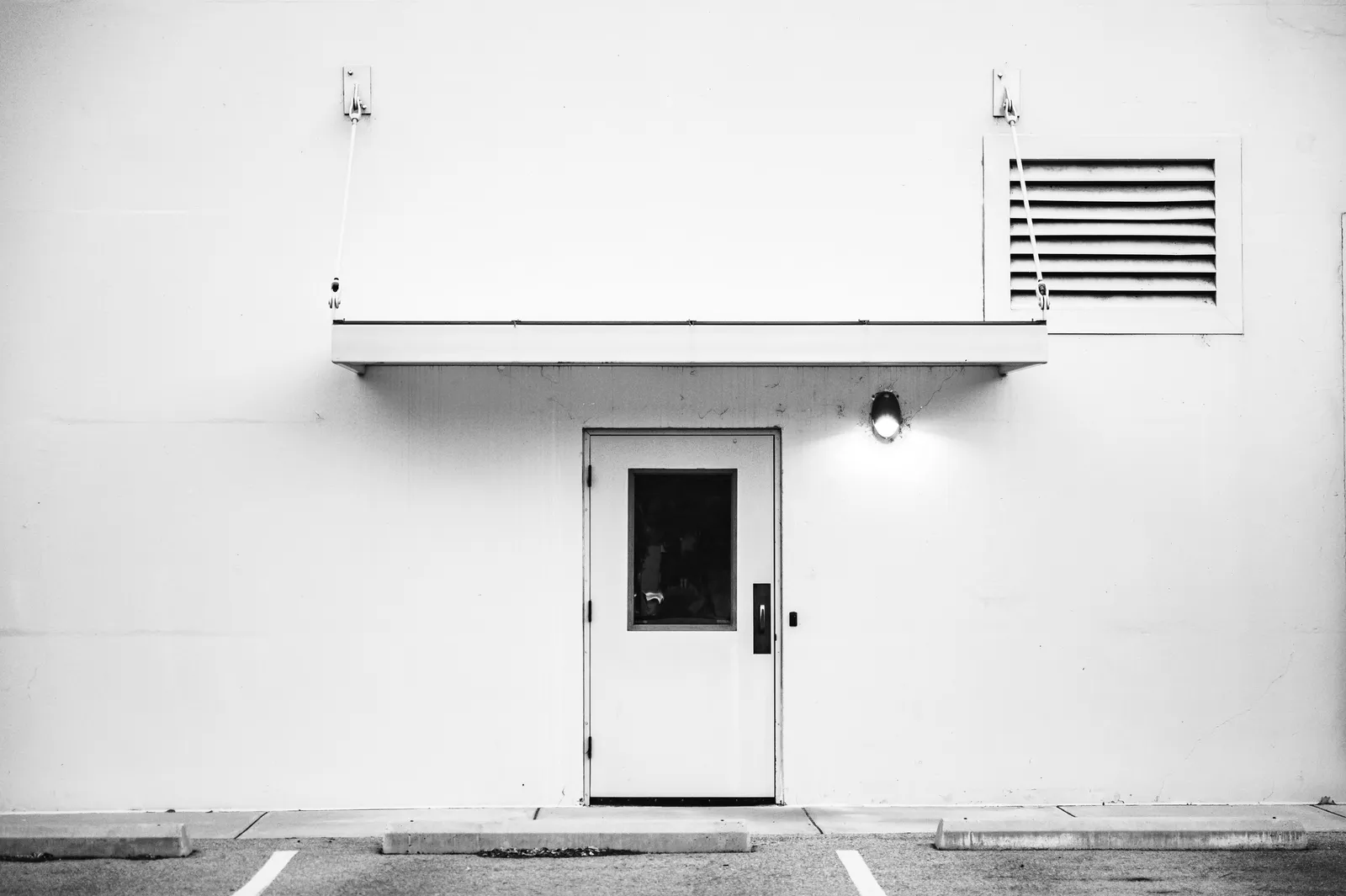
White commercial service door with a vision window under a small canopyWet or harsh areas

FRP (fiberglass reinforced) doors

Molded fiberglass composite doors that do not rust. Used where steel corrodes: car washes, food processing, water treatment, pool and chemical rooms, and spaces washed down with harsh cleaners.

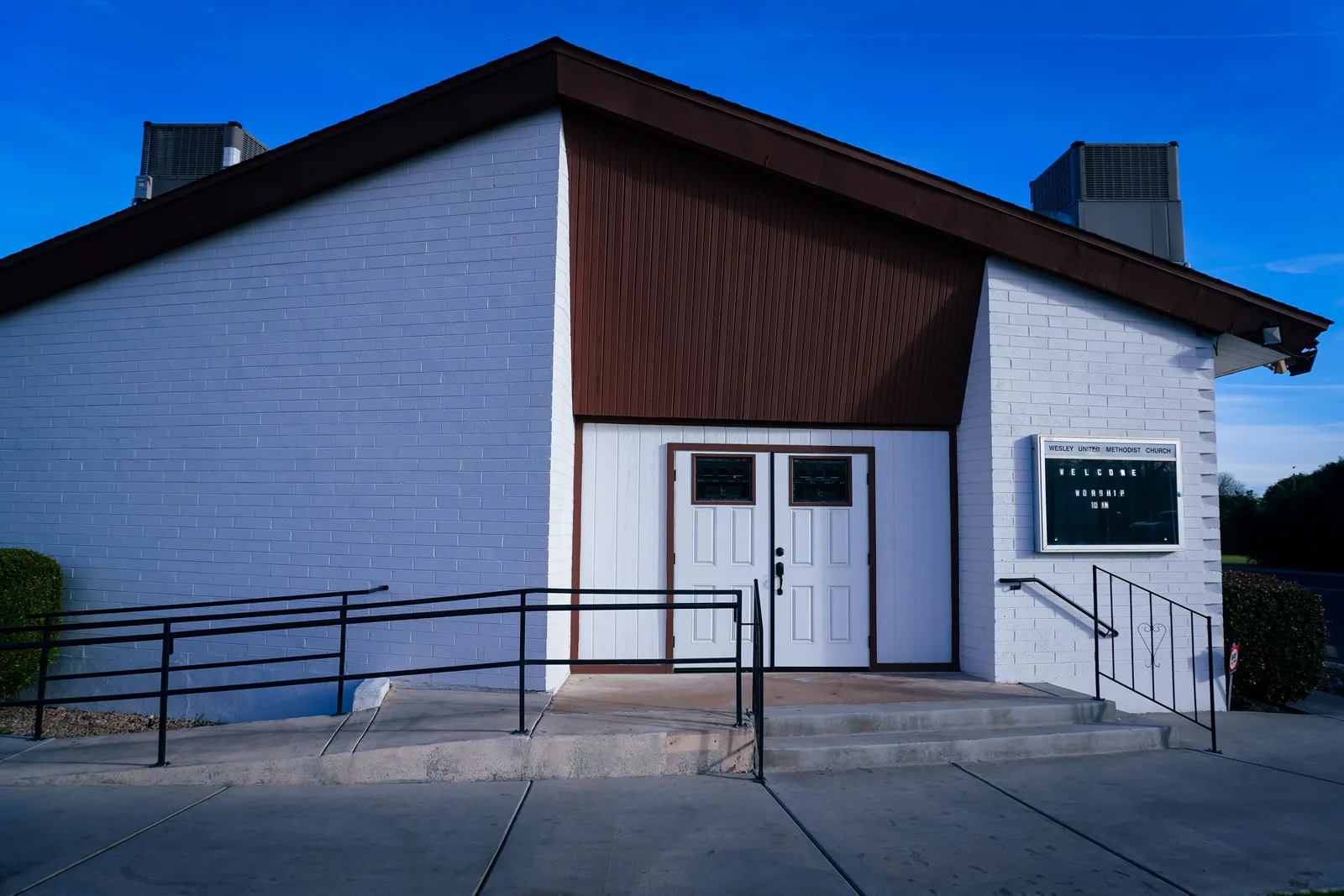
Small church building with double entry doors and an accessible ramp

Commercial-grade fiberglass or steel entries

For small offices, clinics and churches that want the look of a house door with heavier hardware. A good fit for low-traffic entrances that are not a storefront.

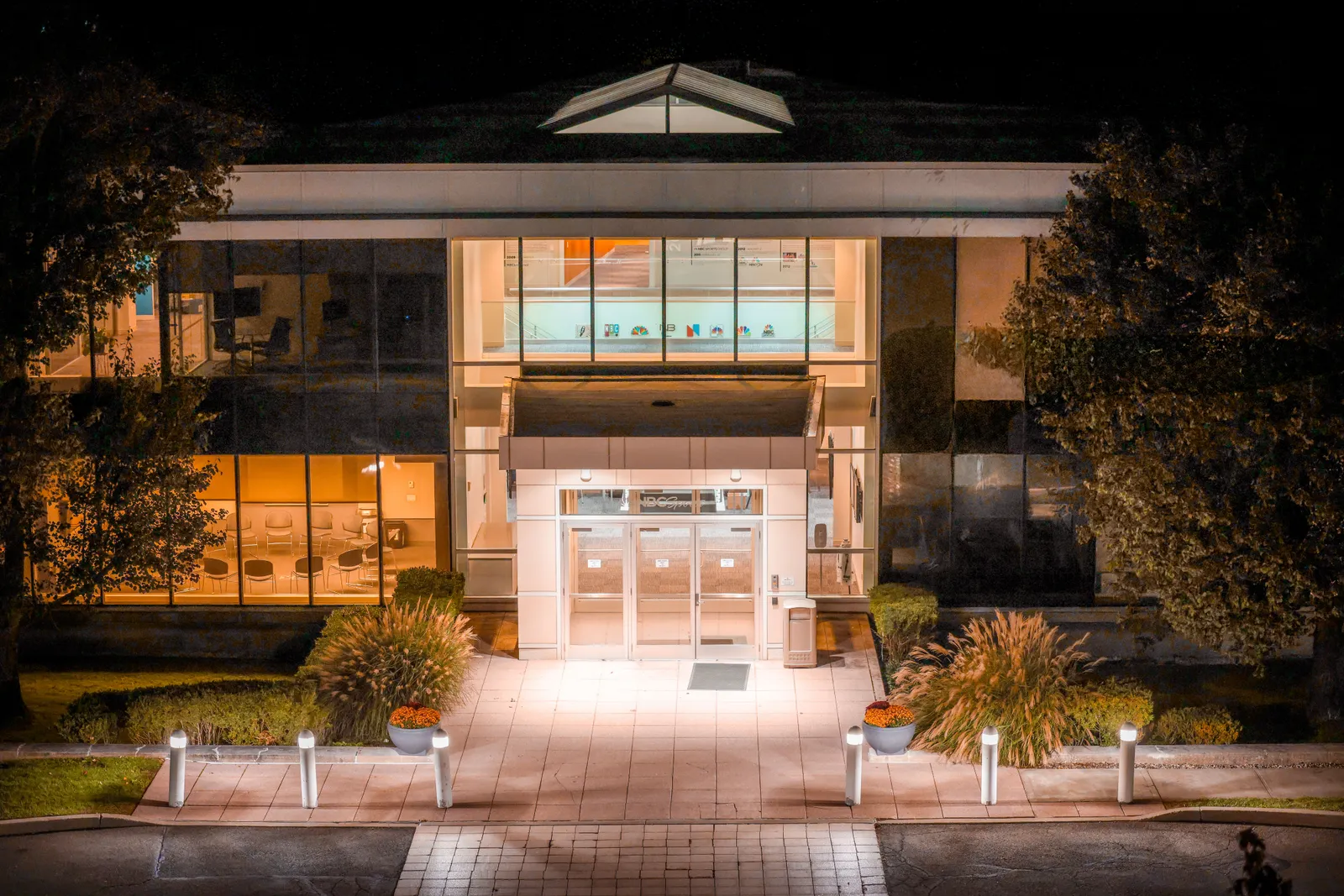
Lit glass entrance doors on a modern office building at dusk

Commercial door hardware

The door is only half of the opening. The hardware set decides whether it closes, latches, locks and meets code.

Door closers
Control how fast the door shuts and latches. On an accessible door, the closer must take at least 5 seconds to move the door from 90 degrees open to 12 degrees from the latch. We set that on every closer we install.
Exit devices (panic bars)
A push bar or push pad that opens the door in one motion from the inside. Required on some doors by the building code, covered in the section below.
Locks and access control
Cylindrical or mortise locks, keyed to your system, or prepped for card readers and electric strikes your access control installer wires. Egress must still open from the inside without a key or special knowledge.
Hinges, pivots and continuous hinges
Steel doors usually hang on butt hinges, storefront doors on pivots. A continuous hinge runs the full height of the door and spreads the load on a heavy-use opening.
Thresholds, sweeps and kick plates
Keep weather out and protect the bottom of the door. Thresholds stay low enough to roll a wheelchair over, and kick plates are installed so the bottom 10 inches of the push side stays smooth.
Security upgrades
Heavier-gauge doors and frames, latch guards, security hinges and reinforced strikes for back doors that face an alley or an empty lot.

Commercial door replacement

Start With the Opening That Sounds Like Yours

The bid, the hardware list and the warranty work the same way for all three.

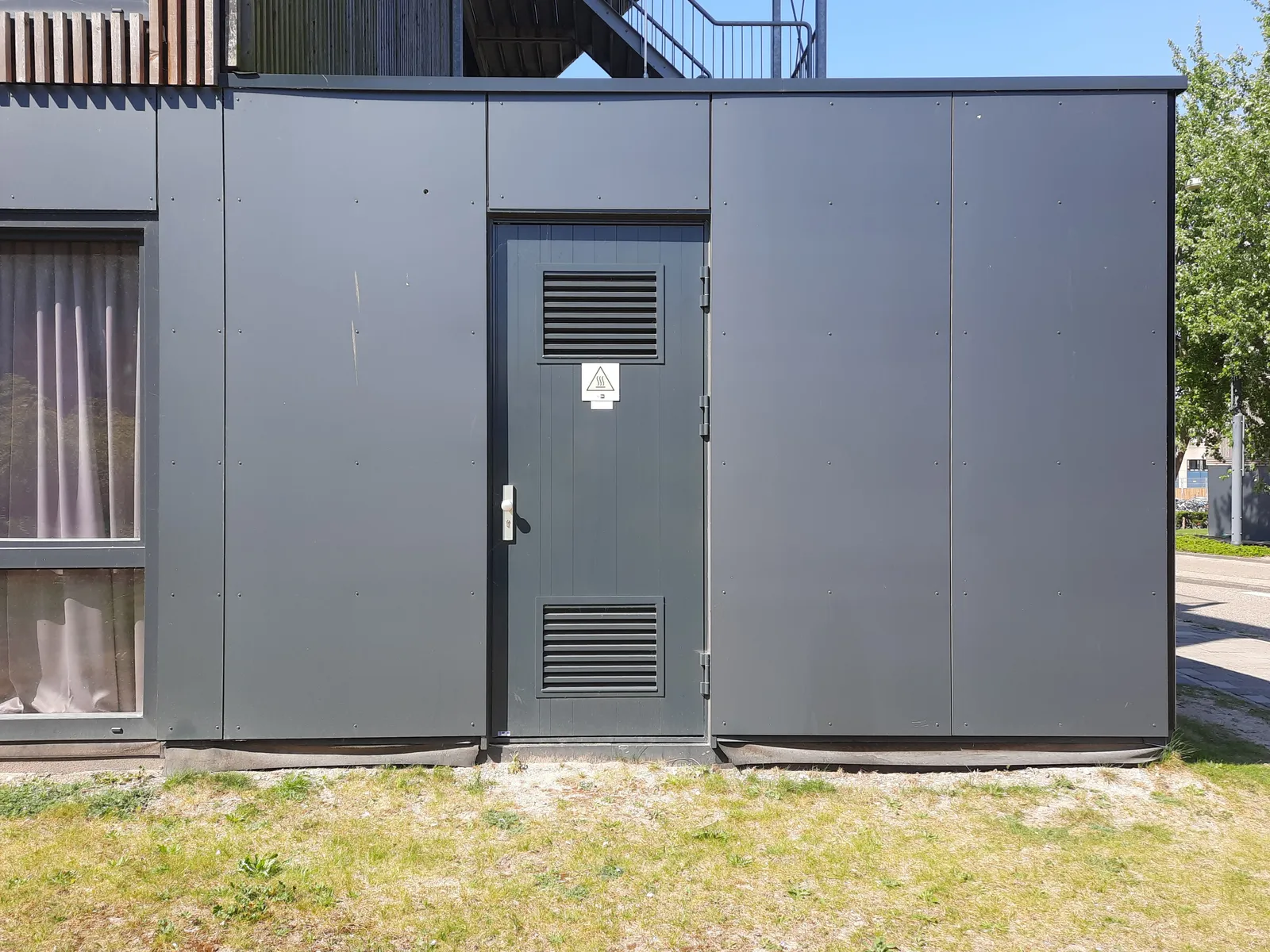
Steel service door with louvers on a commercial building

Steel doors Tulsa

The back or service door

Rusted, dented, pried or no longer latching. We replace the steel door, and the frame when it is bent or rusted through, with a gauge and hardware set sized for how the door is used.

  • Steel Door Institute level matched to use
  • New frame when the old one is damaged
  • Closer, lock or exit device included in the bid
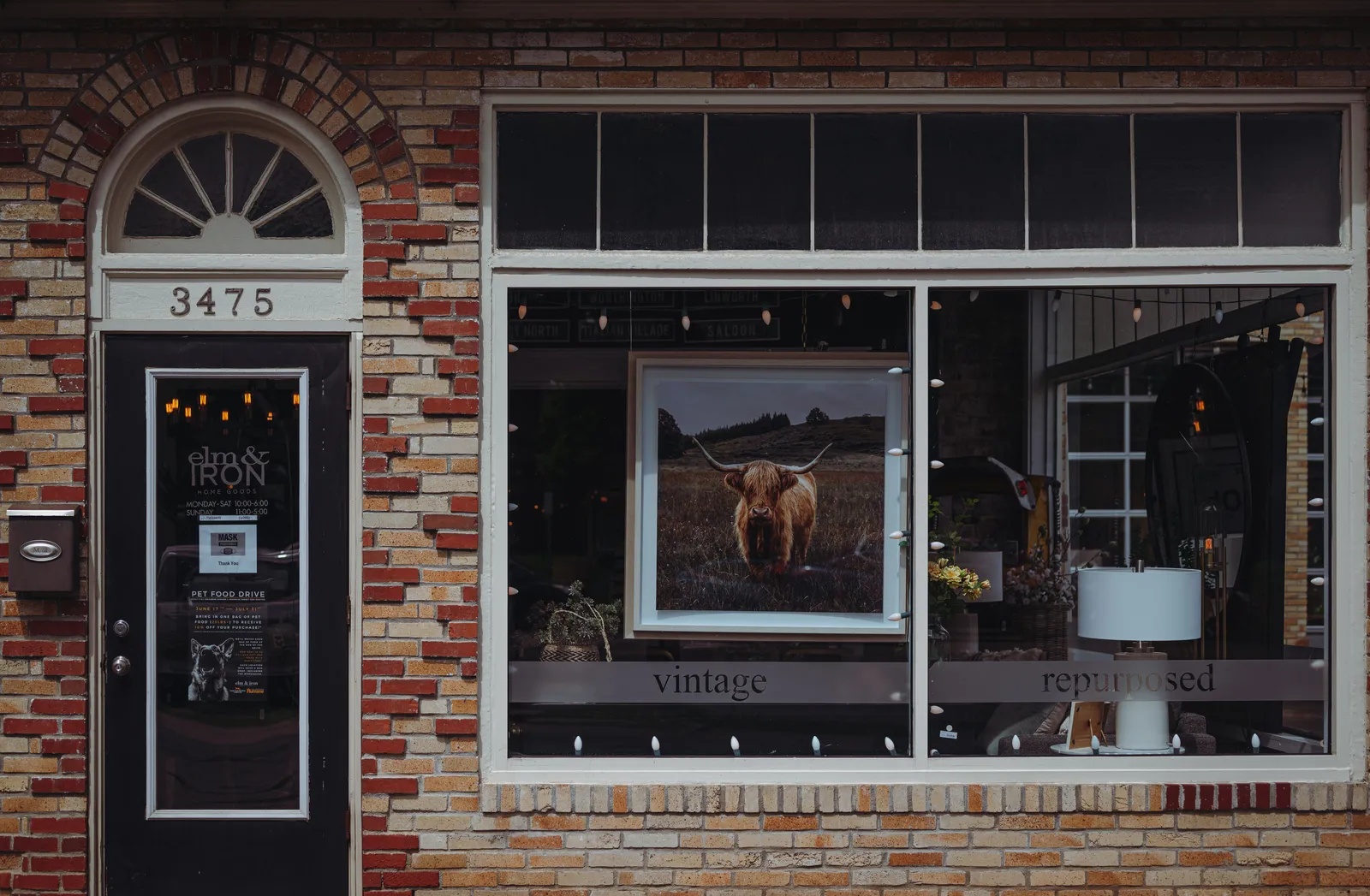
Brick storefront with a glass entry door and display window

Storefront

The front entrance

The door your customers use. We replace storefront doors and entrance hardware, keep a working entrance open during business hours where possible, and finish with the closer timed to ADA numbers.

  • Stile width chosen for your traffic
  • Safety glazing in the door
  • Hardware mounted 34 to 48 inches high
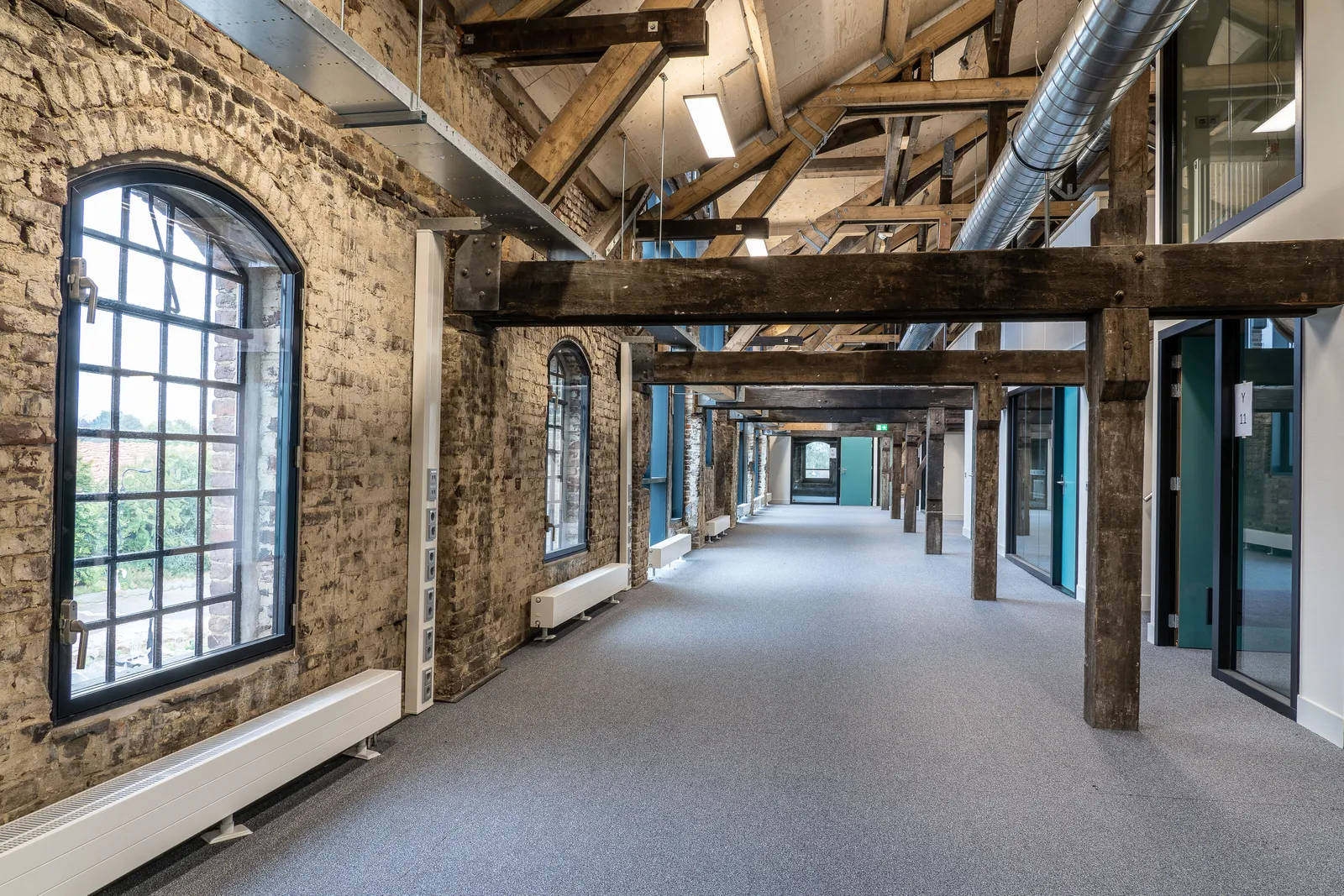
Renovated office corridor in a brick building

GCs and build-outs

A renovation or tenant finish

Send the door schedule, hardware schedule and drawings. We price doors, frames and hardware from a takeoff, list exclusions in writing and install to your sequence.

  • Takeoff from your door and hardware schedules
  • Sizes confirmed in the field before ordering
  • Scheduled with your other trades

Commercial door installation in Tulsa

What Is Wrong With the Door Now

A commercial door is used hundreds of times a day, by customers, staff, deliveries and sometimes people trying to get in after hours. These are the problems that usually lead to a call.

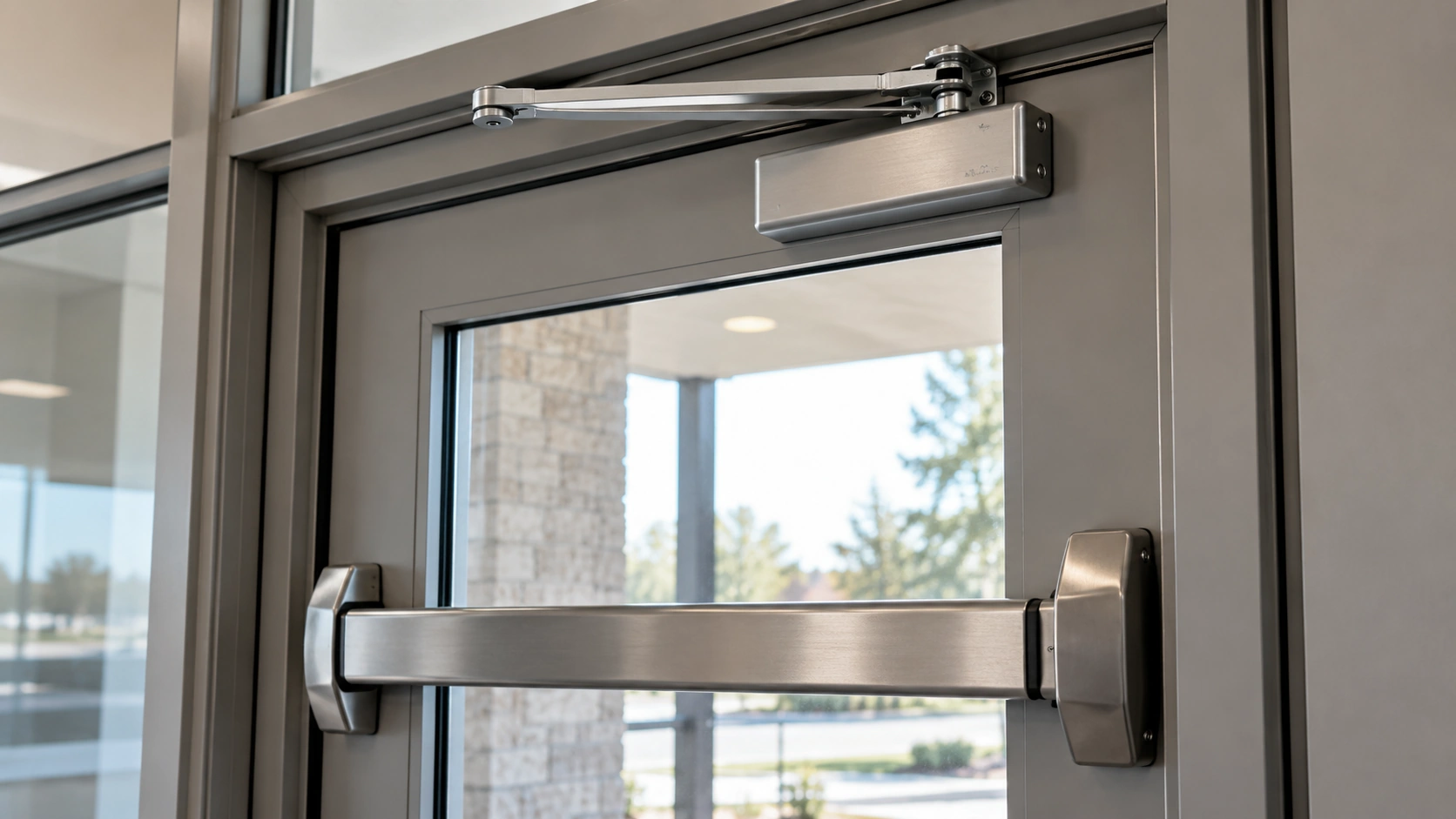
Commercial door with a closer and panic bar hardware
  • A back door with a rusted bottom and a frame that is pulling loose A new hollow metal door and frame, anchored and sealed
  • A storefront door that drags, sags or will not latch in the wind A door hung square with a closer that pulls it shut every time
  • A dented or pried service door after a break-in attempt A heavier-gauge steel door with hardware sized for it
  • A round knob or a heavy pull a customer in a wheelchair cannot use Lever or push hardware mounted 34 to 48 inches high
  • A tenant build-out that needs new openings by a fixed date Doors, frames and hardware installed to the drawings and the schedule
  • Daylight under the door and a wet floor after storms A new threshold, sweep and weatherstripping

Steel vs aluminum vs FRP commercial doors

Which Commercial Door Fits Which Opening

There is no single best commercial door. This is how the three main systems compare on the openings we see most.

Hollow metal, aluminum storefront and FRP doors compared

Hollow metal steel

Best forBack, service, stairwell, utility and classroom doors
Made ofSteel face sheets over a core, in a steel frame
How strength is gradedSteel Door Institute Levels 1 to 4 (20 to 14 gauge faces)
GlassOptional vision lite
Water and chemicalsSteel can rust where the finish is damaged and water sits
Typical hardwareLever lockset or exit device, closer, hinges

Aluminum storefront

Best forMain entrances where customers need to see in
Made ofAluminum stiles and rails holding glass, in an aluminum frame
How strength is gradedStile width (narrow, medium, wide)
GlassMostly glass, which must be safety glazing
Water and chemicalsAluminum does not rust
Typical hardwarePull handle, push bar or exit device, closer, pivots

FRP (fiberglass reinforced)

Best forWet, humid or chemical areas
Made ofMolded fiberglass composite
How strength is gradedBy manufacturer and product line
GlassOptional vision lite
Water and chemicalsDoes not rust; made for washdown and chemical areas
Typical hardwareLever lockset or exit device, closer, hinges

Glass in any door is a hazardous location under the International Building Code (Section 2406.4.1), so storefront doors and door vision lites take safety glazing. Storefront and commercial steel doors are tested under their own standards, not the residential window and door standard (NAFS).

ADA door requirements

The ADA Numbers a Commercial Door Has to Hit

The 2010 ADA Standards for Accessible Design, Section 404, set the measurements for doors on an accessible route. These are the ones we check on every commercial door we install.

2010 ADA Standards, Section 404: door requirements
Commercial door elevation with the ADA numbers marked Hardware34 to 48 in 32 in clear, door open 90° Smooth bottom 10 in Threshold½ in max 5 lbf maxto push open Closer: 5 s from 90° to 12°

Clear width

Requirement
32 inches minimum, measured with the door open 90 degrees, from the face of the door to the stop
Section
404.2.3

Hardware height

Requirement
Handles, pulls, latches and locks 34 inches minimum and 48 inches maximum above the floor
Section
404.2.7

Hardware operation

Requirement
Usable with one hand, without tight grasping, pinching or twisting of the wrist
Section
404.2.7 and 309.4

Opening force

Requirement
5 pounds maximum for interior hinged doors. Fire doors use the minimum force the local authority allows.
Section
404.2.9

Closer speed

Requirement
At least 5 seconds to move from 90 degrees open to 12 degrees from the latch
Section
404.2.8.1

Spring hinges

Requirement
At least 1.5 seconds to close from 70 degrees open
Section
404.2.8.2

Threshold

Requirement
1/2 inch high maximum. Existing or altered thresholds up to 3/4 inch are allowed with a beveled edge on each side.
Section
404.2.5

Bottom of the door

Requirement
The bottom 10 inches of the push side must be smooth across the full width
Section
404.2.10

The 2010 Standards set no opening-force limit for exterior hinged doors. Maneuvering clearance on each side of the door is set by the floor and wall around it, so we flag it when a new door alone cannot meet it. Your design professional and building official decide what applies to your building.

Panic hardware and exit devices

When the Building Code Requires a Push Bar

Oklahoma's statewide building code is the International Building Code, 2024 edition, effective September 14, 2026. Section 1010.2.8 decides which doors must have panic hardware and how it is installed.

Assembly and school spaces with 50 or more people

Swinging doors serving rooms or spaces with an occupant load of 50 or more in a Group A (assembly, such as churches, restaurants and event spaces) or Group E (educational) occupancy may not have a latch or lock other than panic hardware or fire exit hardware. The same applies to Group H (high-hazard) occupancies.

Electrical and battery rooms

Exit doors from transformer vaults, battery or energy storage rooms, and rooms with large electrical equipment rated 800 amps or more (when the door is close to the equipment) need panic or fire exit hardware and must swing in the direction of egress (1010.2.8.2).

Listed hardware

Panic hardware must be listed to UL 305. Fire exit hardware, used on fire doors, must be listed to UL 10C and UL 305 (1010.2.8.3).

Size and force

The push bar or pad must run at least half the width of the door leaf, and it must unlatch with no more than 15 pounds of force (1010.2.8.3).

Hardware height

Door handles, pulls, latches, locks and other operating devices go 34 to 48 inches above the finished floor, with an exception for locks used only for security (1010.2.3).

Your occupancy group and occupant load come from your building official or design professional, not from us. Tell us what they require and we install it. If you do not know, we will point out which doors look like required exits before you buy hardware.

Fire-rated doors

A Fire Door Is an Assembly, Not Just a Door

Fire doors protect openings in fire-rated walls, such as stairwells, corridors and mechanical rooms. The building code treats the door, frame and hardware as one labeled assembly.

Labeled by an approved agency

Fire door assemblies must be labeled by an approved agency, with labels permanently attached to the door or frame showing the maker and the fire protection rating (IBC 716.2.9 and 716.2.9.1).

Installed to NFPA 80

The IBC requires opening protectives, including fire doors, to be installed in accordance with NFPA 80 (IBC 716.1).

Self-closing and latching

Fire doors must latch and be self-closing or automatic-closing, with a few narrow exceptions. A fire door propped open or missing its closer is not doing its job.

How we work on rated openings

We install labeled doors, frames and hardware to the label and the manufacturer's installation instructions, and we do not cut or modify a labeled door or frame beyond what its maker allows. We do not inspect or certify fire door assemblies. That is done by your fire inspection provider or the authority having jurisdiction.

Commercial door installation cost

How a Commercial Door Bid Is Priced

We bid commercial doors per opening, and the hardware is itemized so you can see where the money goes.

Door and frame

Hollow metal, aluminum storefront or FRP; size, single or pair; and whether the existing frame stays or is replaced. A new frame in a masonry wall takes more labor than a door swapped into a sound frame.

Grade

A Level 3 or Level 4 steel door costs more than Level 1 or 2. A medium or wide stile storefront door costs more than a narrow stile.

Glass

Vision lites and storefront glass add cost, and safety, laminated, insulated or fire-rated glazing each price differently.

Hardware set

Closer, hinges or pivots, lockset, exit device, threshold, sweep, kick plate and any electric hardware. On many commercial doors the hardware costs as much as the door.

Fire rating

A labeled door, frame and hardware assembly costs more than an unrated opening with the same look.

Work hours

Swapping a main entrance after hours or on a weekend so the business stays open adds labor, and the bid shows the schedule it assumes.

Takeoff or field measure

From drawings, we price from the door and hardware schedules and confirm every size in the field before ordering. Without drawings, we measure each opening on the walkthrough.

Our published residential door price ($2,500 to $4,000 per door installed) is for houses. Commercial doors are bid separately.

Signs you need a new commercial door

Signs the Door Is Done, Not Just Out of Adjustment

  • Rust through the bottom of a steel door or the base of its frame
  • A frame that is bent, racked or pulling away from the wall
  • A door that was forced or pried and no longer closes square
  • The same opening repaired again and again
  • A door too narrow or hardware too hard to use for accessibility
  • Glass in a storefront door that is cracked, fogged or not safety glazing
  • A door that needs to be a labeled fire door and is not
  • Daylight around the door and water inside after storms

Commercial door installation process

From Walkthrough to a Door That Latches Every Time

  1. Walkthrough or takeoff

    We look at each opening, the frame, the wall and how the door is used, or take off your door and hardware schedules. We note any required ratings, exit hardware and accessibility needs.

  2. Written bid

    Each opening is listed with door, frame, glass and every piece of hardware, plus work hours and exclusions, so it compares line for line with other bids.

  3. Order

    Sizes are confirmed in the field, then doors, frames and hardware are ordered. We confirm the install date and how long the opening will be out of service.

  4. Install and adjust

    Old door and frame out, opening repaired, new frame anchored and sealed, door hung, hardware installed and the closer timed. We test the door with you and hand over keys and warranty documents.

Commercial door warranty

Two Warranties, Explained Before You Sign

5-year workmanship warranty

From Morgan Windows, 5 years

Covered

  • The installation: frame anchoring, hanging, hardware installation, sealing and trim
  • Leaks or binding caused by how the door was installed

Not covered

  • Defects in the door, frame or hardware itself (that is the manufacturer's warranty)
  • Damage from impacts, vehicles, forced entry or misuse
  • Normal hardware wear and adjustment from daily traffic

The manufacturer's warranty

From the door and hardware makers, passed on to the owner

  • The door, frame and glass, on the maker's terms
  • Closers, exit devices and locks, each on its own maker's terms

Hardware warranties are often separate from the door warranty and vary widely by product line. The warranty documents for each item are part of your closeout package.

Commercial Door Installation reviews in Tulsa

What Our Customers Say

Reviewed by homeowners across the Tulsa area

Read all reviews

Ratings as of November 2026

Commercial doors FAQ

What Business Owners and Facilities Managers Ask

How much does a commercial door cost to install?
Commercial door installation is bid per opening by Morgan Windows, because door type, frame, glass, fire rating and the hardware set change the price more than the door itself. The written bid lists the door, frame and each piece of hardware. Our $2,500 to $4,000 per door price is for residential doors only.
What is the best commercial door for a back entrance?
For most back and service entrances, Morgan Windows recommends a hollow metal steel door in a steel frame, because it is strong, takes heavy hardware and is easy to secure. A Steel Door Institute Level 3 (16-gauge) or Level 4 (14-gauge) door suits doors that face an alley or take abuse. In wet or chemical areas, an FRP door will not rust.
What is the difference between steel and aluminum commercial doors?
Steel commercial doors are solid hollow metal doors built for security and abuse, while aluminum storefront doors are mostly glass in an aluminum frame, built to let customers see in. Morgan Windows uses steel for back, service and utility doors and aluminum storefront for main entrances, with stile width chosen for the traffic.
What are the ADA requirements for a commercial door?
The 2010 ADA Standards require a commercial door on an accessible route to have at least 32 inches of clear width, hardware 34 to 48 inches high that works without tight grasping or twisting, and a threshold no higher than 1/2 inch. Closers must take at least 5 seconds to close from 90 to 12 degrees, and interior doors may need no more than 5 pounds to open. Morgan Windows checks each of these on every install.
Does my business need panic hardware?
Your business needs panic hardware if a door serves a room with 50 or more people in an assembly or educational occupancy, or a high-hazard occupancy, under IBC Section 1010.2.8. Morgan Windows installs listed panic hardware wherever your building official or design professional requires it, and we will flag doors that look like required exits.
Do you install fire-rated doors?
Yes. Morgan Windows installs labeled fire-rated doors, frames and hardware to the label and the manufacturer's instructions, as part of the assembly the building code requires. We do not inspect or certify fire door assemblies; that is done by your fire inspection provider or the local fire authority.
Can you replace a storefront door without closing my business?
Usually, yes. Morgan Windows schedules storefront door replacement so you keep a usable entrance, working early, late or on a weekend when the main door has to come out, and the install is usually a half-day to full day once the door is on site.
How long does it take to get a commercial door?
Custom commercial doors usually arrive about 2 to 4 weeks after order with Morgan Windows. The bid states the lead time for each product before you sign.
Do you bid commercial doors for general contractors?
Yes. Morgan Windows prices commercial doors, frames and hardware from your drawings, door schedule and hardware schedule, lists exclusions in writing, and confirms every size in the field before ordering. Send the documents and your bid date.

Serving Broken Arrow, Owasso, Jenks, Bixby, Claremore, Sand Springs, Tulsa, Coweta, Sapulpa, Inola, Catoosa, Collinsville, Glenpool, Pryor, Skiatook and the rest of Northeastern Oklahoma, about 50 miles around Tulsa.

Commercial door bid

Request a Commercial Door Bid

Send photos of the opening, a door schedule or just the address. We will look at it and return a written bid with every piece of hardware listed.

  • Fully In-House Crew
  • 100+ Homes Served Across Oklahoma
  • 5-Year Installation Warranty
  • Financing Options Available

Prefer to talk now?

Call (918) 400-2326

We respect your privacy and never sell your information.