
- Windows
- Doors
How to Prepare Your Tulsa Home's Windows and Doors for Winter
Where the cold actually gets in, the fixes that work, the ones that are band-aids, and how to tell when a window is past saving.

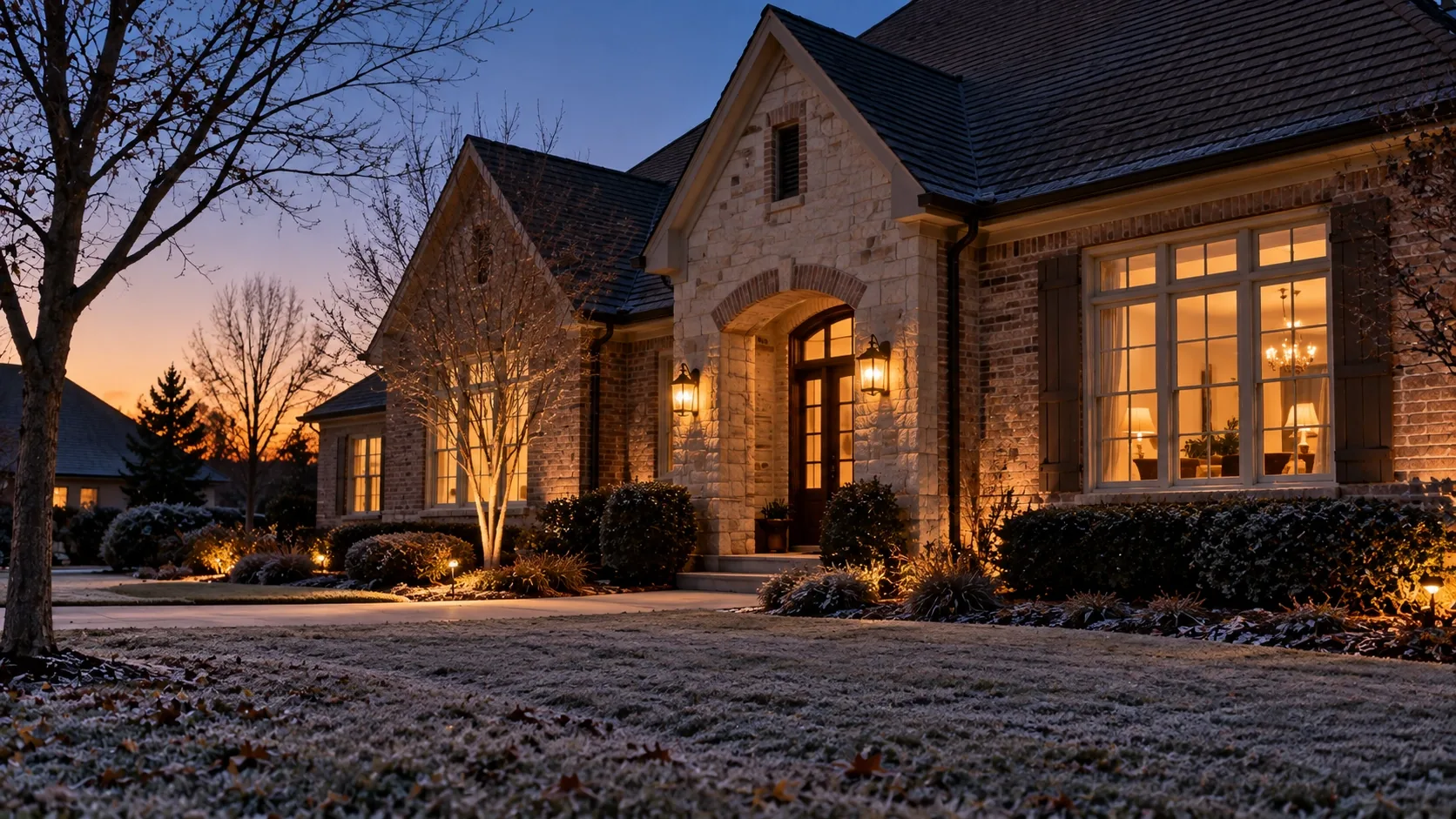
Most Tulsa homes lose their winter heat at a handful of predictable spots: the joint where the window frame meets the wall, the meeting rail where two sashes come together, the bottom corners of exterior doors, and the center seam of french and sliding doors. Find those, seal them correctly, and a drafty house gets noticeably warmer for less than the cost of one dinner out. The trick is knowing which fixes are real maintenance, which are one-season band-aids, and which windows are past the point where either makes sense.
We install windows and doors across Tulsa, Broken Arrow, Owasso, Jenks, and the rest of Northeastern Oklahoma, which means every February we get called to houses that fought the cold all winter with plastic and towels. This is the guide I wish those homeowners had in October. Late summer and early fall is exactly the right time to do this work, while the caulk still cures well and the install calendars are not slammed.
Find the Drafts Before You Buy Anything
Do not guess. On the next windy day, light an incense stick and move it slowly around every window and exterior door. Where the smoke jumps, air is moving. A strip of single-ply tissue on a fork works too. Check four zones on each window: the frame-to-wall joint, the meeting rail where the sashes overlap, the sash-to-frame edges, and the sill. On doors, check the bottom corners first. That is where we find daylight on most of the 1970s to 1990s homes in Broken Arrow and Owasso, because decades of Oklahoma’s expanding clay soil rack door openings out of square, and the gap always opens at a corner.
One important distinction: glass that feels cold is not a leak. Single-pane and older double-pane glass will always run cold in January. You are hunting for moving air, not cold surfaces. Mark every live leak with painter’s tape and fix them in one pass.
Seal the Windows: What Works and What Is a Band-Aid
Here is the honest ranking, from a crew that sees the results every winter.
Lock your sashes. Free, and most people skip it. The lock on a double-hung window is not just security. It pulls the meeting rails together and compresses the weatherstrip. An unlocked window is a leaky window all winter.
Exterior caulk on the frame joint. A bead of quality exterior caulk where the window frame meets the siding or brick is real maintenance that lasts years. Do it on a dry day above 45 degrees, which in Tulsa means October, not January. Never caulk the moving parts of the window shut.
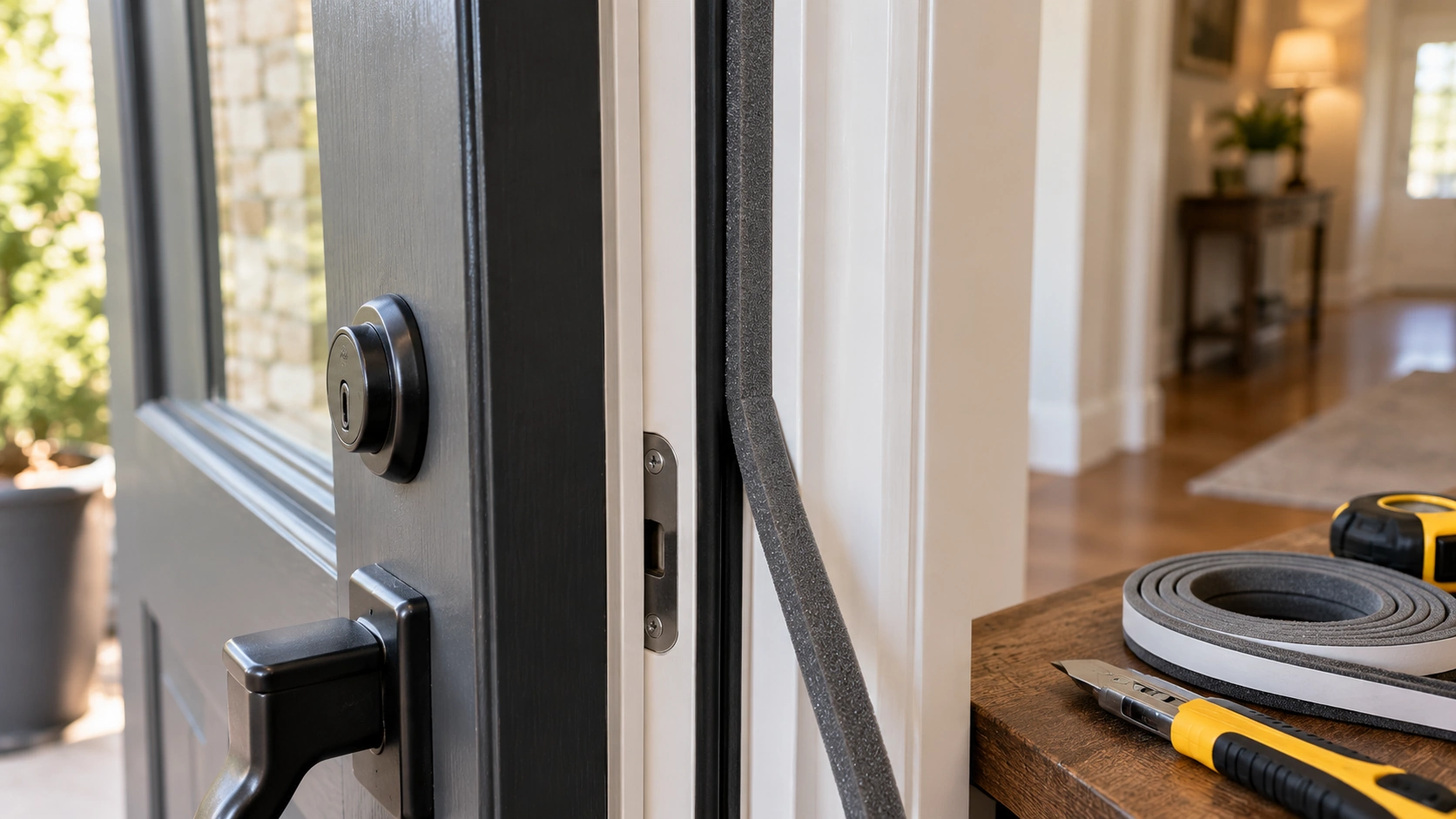
Rope caulk and V-seal for the sashes. Removable rope caulk pressed into sash gaps and adhesive V-seal weatherstrip in the channels stop the leaks film cannot reach, and they peel out in spring without damage.
Plastic film, honestly assessed. The shrink film kits work. They add a dead-air layer that meaningfully cuts drafts on a leaky window. We would rather you use film than shiver. But understand what it is: a few dollars per window, one season, and it treats the symptom. It does nothing for the frame joint, and if the same window needs film every year, the window is telling you something.
Cellular shades and heavy curtains. A real insulating layer at night, and you keep them forever. Open them on sunny south-facing glass during the day, because in Oklahoma even January sun carries real heat.
| Winter Fix | Rough Cost | How Well It Works | How Long It Lasts |
|---|---|---|---|
| Locking the sashes | Free | Surprisingly well on double-hungs | Every winter, forever |
| Exterior caulk at the frame joint | $5 to $10 per tube | Stops the biggest hidden leak | 5 to 10 years |
| Rope caulk and V-seal weatherstrip | $10 to $20 per window | Good on sash leaks, removable | 1 to 3 seasons |
| Plastic shrink film kit | $2 to $4 per window | Real draft relief, but a band-aid | One season |
| Glass replacement for a failed seal | $500 to $750 per opening | Restores the insulating layer itself | The life of the unit |
| Full window replacement | $700 to $1,100 per window installed | Fixes glass, sash, seal, and frame at once | Decades, with our 5-year workmanship warranty |
Winterize the Doors: Entry, French, Patio, and Sliding
Doors leak differently than windows, and each style has its own weak point.
Entry doors leak at the bottom corners and the sweep. Stand inside with the lights off in the evening. If you see daylight anywhere around the slab, you have found your problem. A worn sweep is a ten-minute swap. Corner daylight usually means the threshold needs adjustment, or the opening has shifted with the soil, which is worth a professional look before the frame rots.
French doors leak at the astragal, the seal where the two panels meet. Weatherstrip flattens there over the years. Fresh seals and checking that the multi-point hardware still pulls both panels tight solves most french door drafts. The hardware matters: a french door latched only at the handle bows away from the frame at the top and bottom in a hard north wind.
Sliding and patio doors leak at the track and the jamb edge. Vacuum the track, then check that the panel still compresses against the weatherstrip when latched. Worn rollers let the panel sag, and a sagging panel cannot seal. If your slider takes a shoulder to close, the rollers are shot, and no amount of weatherstrip fixes a door that will not sit square in its frame.
A storm door in front of an exposed entry adds a genuine buffer layer, and it protects the main door’s finish from winter weather at the same time.
When Winterizing Is Not Enough
Some windows are past saving, and it is kinder to say so in September than to let you find out in January. Three signs the window itself is done:
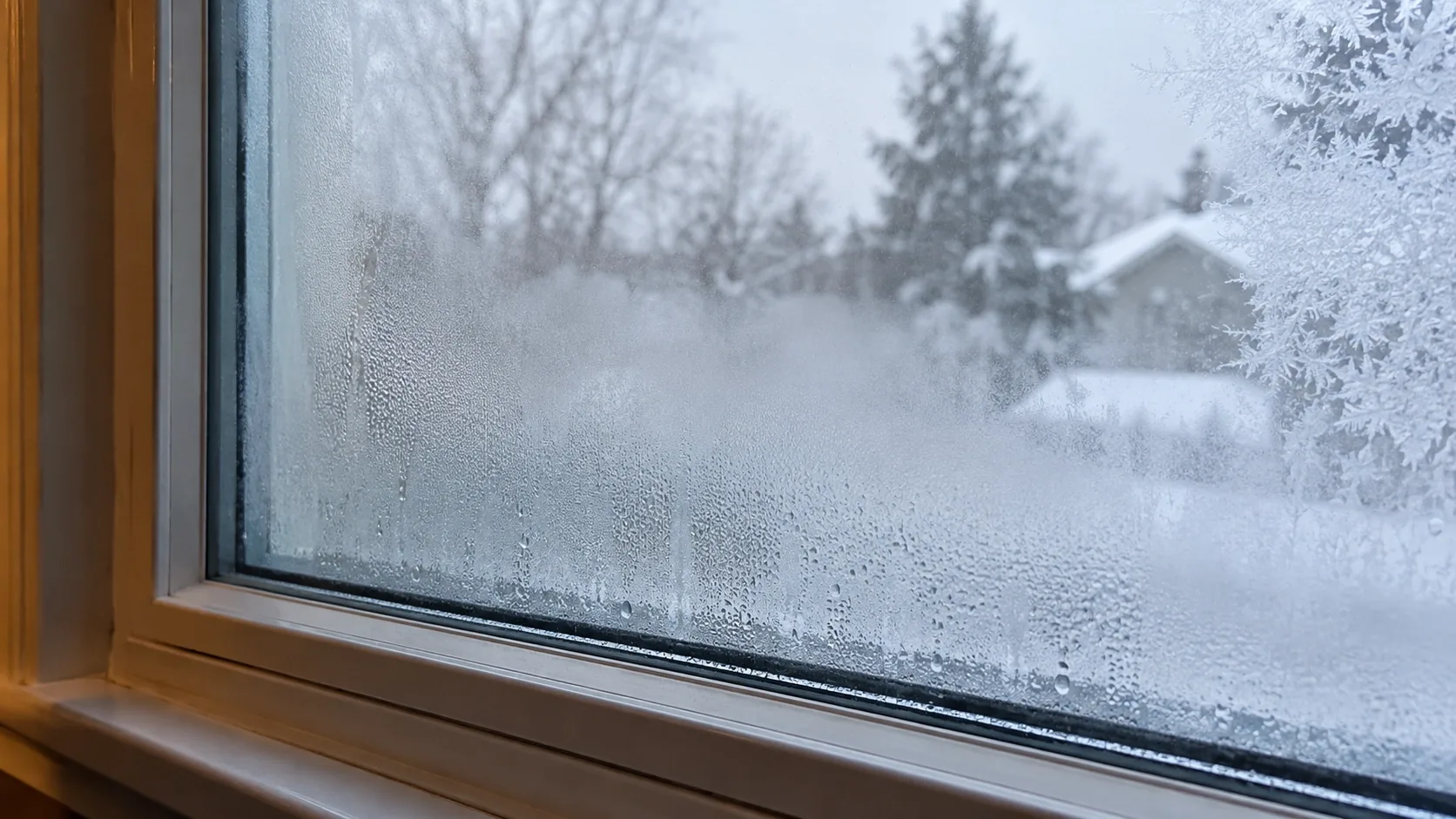
Fog or moisture between the panes. The insulated glass seal has failed, and the argon layer that did the insulating is gone. No film or caulk touches this, because the problem is inside the glass unit. A glass-only replacement runs $500 to $750 per opening and restores the window’s actual insulating layer without replacing the frame.
The same window needs treatment every year. If a sash is rotted, warped, or racked out of square, weatherstrip cannot close a gap that changes shape with the seasons. You are buying supplies annually to rent comfort.
Single-pane glass, period. No amount of winterizing turns one pane into an insulated unit. Film helps at the margins. It cannot do what a modern double-pane with Low-E glass does, which is why we walk through what those coatings actually do in our guide to energy-efficient windows for Oklahoma, and why the ENERGY STAR criteria for windows and doors are worth a look if you are comparing replacement units.
Full replacement runs $700 to $1,100 per window installed, backed by our 5-year workmanship warranty, and financing is available for qualifying projects if winter caught you with a whole house of tired windows. The honest math: a $15 film habit per window per year never ends, and it never adds a dollar to your home’s value.
Do It in the Fall, Not the First Cold Night
Every one of these fixes works better before the weather turns. Caulk cures properly, weatherstrip adhesive bonds, and if the incense stick finds a problem that needs more than a tube of caulk, you have time to fix it right instead of stapling plastic over it at 9 pm before an ice storm.
If your draft hunt turns up fogged glass, corner daylight, or a window you are treating for the third year running, we will give you a straight answer about it. Call Morgan Windows at (918) 400-2326 or request a free in-home estimate. We are a locally owned Oklahoma company serving Tulsa, Broken Arrow, Owasso, Jenks, Bixby, Sand Springs, Catoosa, and Claremore, and we will tell you honestly which windows need a $10 fix and which ones need us.