- Siding
- Exterior Home Improvement
Vinyl Siding vs James Hardie: Which Is Better for Oklahoma Homes?
How vinyl and fiber cement really compare on Oklahoma hail, heat, cost, and lifespan, and how to pick the right one for your home and how long you plan to stay.

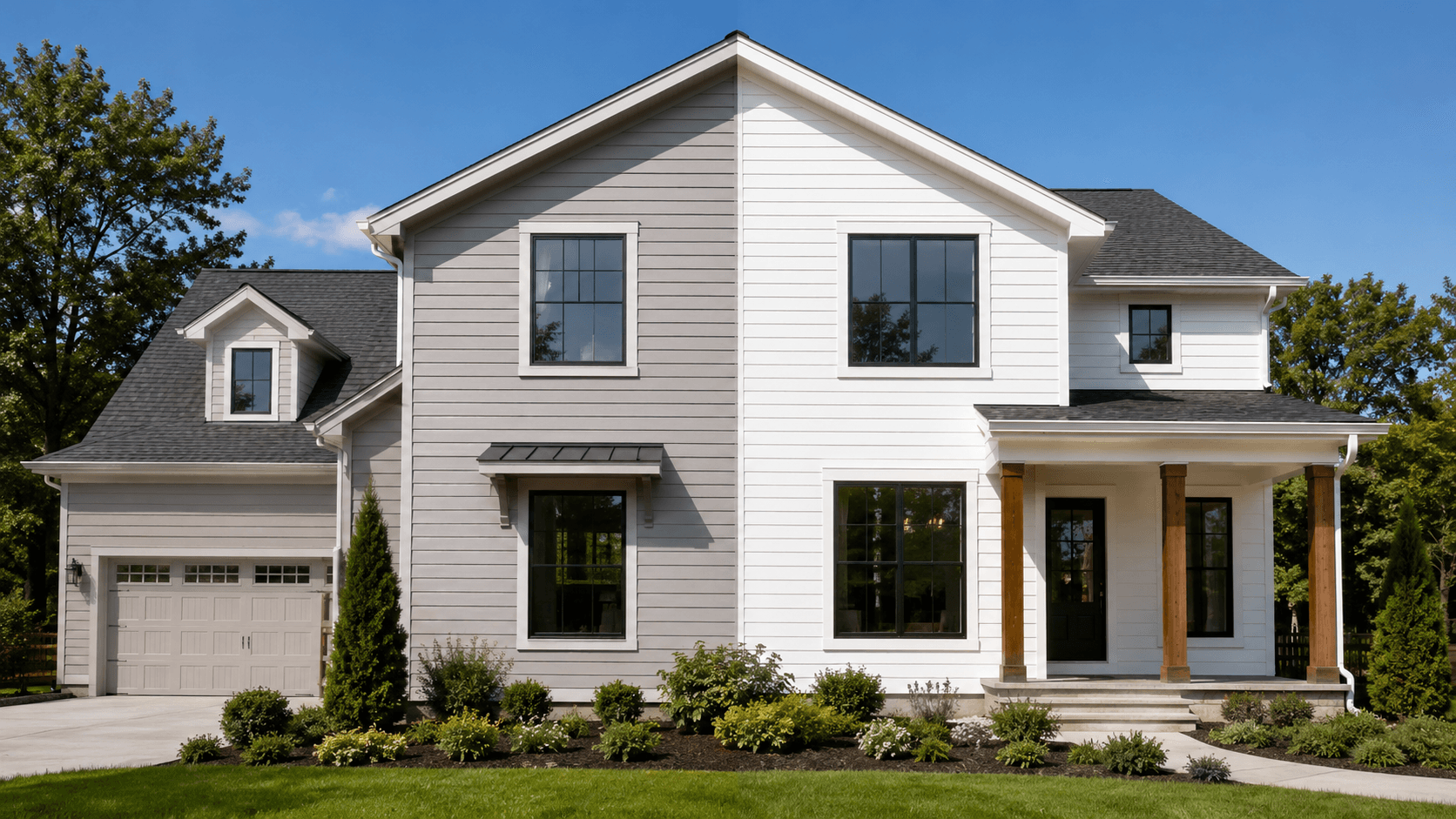
If you are standing in your driveway in Broken Arrow trying to decide between vinyl siding and James Hardie fiber cement, here is the short answer first: James Hardie holds up better against Oklahoma hail and wind and lasts longer, but it costs meaningfully more and takes longer to install. Vinyl is the more affordable choice, goes up faster, and does just fine on plenty of Tulsa-area homes, as long as you buy a heavier grade and not the bargain panel a storm-chaser crew leaves rattling after the first August heat wave.
Both are good products. The right one depends on your budget, how long you plan to stay in the house, and how exposed your walls are to the weather that rolls through Northeastern Oklahoma every spring. We install both at Morgan Windows, so we have no reason to push you toward one or the other. Below is the honest version of how they actually compare once they are on the wall.
The Quick Verdict for Oklahoma Homeowners
Oklahoma is hard on siding in a specific way. It is not just heat, and it is not just cold. It is the swing between them, plus hail in the spring and straight-line wind that can drive rain sideways into a wall. That combination is what separates the two materials.
James Hardie is fiber cement, basically a cement-and-cellulose board that does not flex much. It shrugs off hail that would dent or crack a thin vinyl panel, it will not melt or warp near a grill or a west-facing brick wall that bakes all afternoon, and it carries a Class A fire rating. Vinyl is a PVC panel that hangs loosely on the wall so it can expand and contract. Done right with a good grade, that movement is a feature. Done wrong with a cheap panel, it is the reason your neighbor’s siding looks wavy by the third summer.
So the real question is not which one is “better” in a vacuum. It is which trade-offs you want to live with. A family in Owasso planning to stay 20 years leans one way. A landlord prepping a Sand Springs rental to sell next year leans the other.
How Each One Handles Oklahoma Weather
Hail and Wind
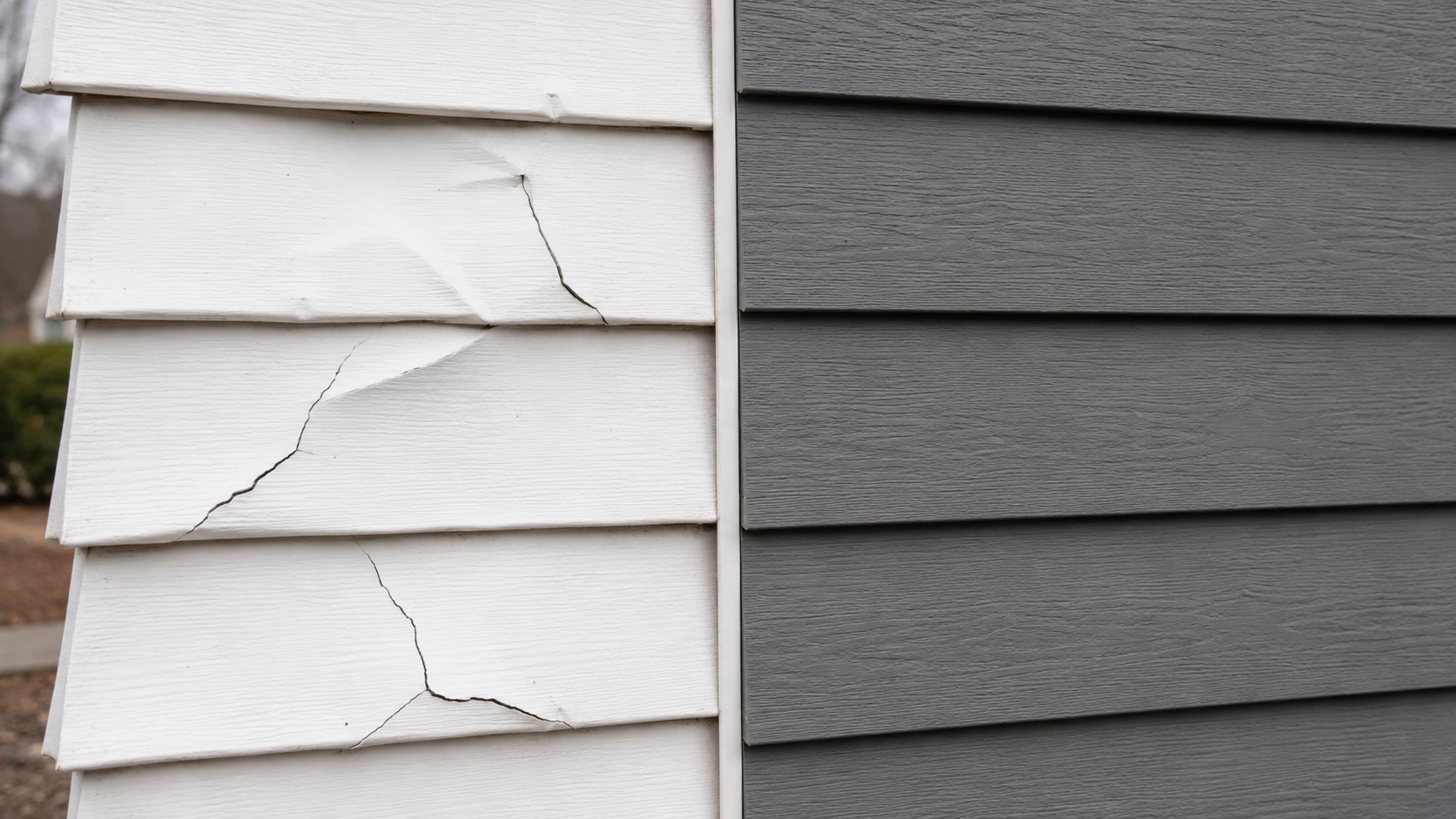
This is where Hardie earns its reputation here. When we pull old siding off a house after a spring storm, the vinyl is usually the part that cracked, especially on the north and west walls that catch the brunt of a Tulsa hailstorm. Thicker vinyl grades resist it better than the builder-grade stuff, but a large hailstone will still punch or split a vinyl panel where a Hardie board just takes a mark. Hardie is also heavier and fastened tighter, so it does not chatter or pull loose in the kind of wind that comes through ahead of a storm front. If a storm has already hit your home, our guide on documenting hail damage before an insurance claim walks through what to do next.
Heat and Sun
A west-facing wall in Jenks in August is brutal. Vinyl can soften and, in the worst cases, warp from concentrated heat, including the reflected heat off a low-E window or a glass storm door pointed at the wall. We have seen vinyl literally distort in a stripe where afternoon sun bounced off a neighbor’s window. Hardie does not care about heat that way. It also holds paint far longer in UV-heavy Oklahoma sun, which matters for keeping the house looking sharp.
Cold Snaps and Freeze-Thaw
When the temperature drops fast, vinyl gets more brittle and is easier to crack on impact, which is part of why winter hail and falling limbs do more damage to it. Hardie is stable across that whole temperature swing. Neither one loves moisture trapped behind it, which is why the install and the house wrap underneath matter as much as the board you choose.
Cost: What You Are Really Paying For
We are not going to throw fake per-square-foot numbers at you, because siding pricing depends heavily on your wall area, your home’s height, how much trim and detail work it needs, and what shape the existing walls are in once we open them up. What we can tell you honestly is the shape of it: James Hardie costs meaningfully more than vinyl, both for the material and the labor. The board is heavier, it has to be cut and fastened more carefully, and a proper Hardie job takes more crew time.
Vinyl is the budget-friendly choice, and that is a legitimate reason to pick it. Where people get burned is buying the cheapest possible vinyl to save a little up front, then replacing it after the first bad hail season. If you are going vinyl, spend up for a heavier grade. The gap between bargain vinyl and good vinyl is small compared to what a redo costs. For a real quote on your specific house, the only honest way to do it is a free in-home estimate where we measure and look at the actual walls.
Financing is available on qualifying projects, which is worth knowing if Hardie is the material you want but the up-front number is the only thing holding you back. Spreading it out often makes the longer-lasting option the smarter buy over the time you own the home.
Maintenance and How Long Each One Lasts
Vinyl is close to zero maintenance day to day. You rinse it off, and the color is molded all the way through so it does not need repainting. The catch is that if a panel cracks or fades unevenly, you are matching or replacing panels, and older color lines can be hard to match. Good vinyl in Oklahoma will give you a long service life if it survives the hail.
Hardie needs paint, and eventually it needs repainting, though the factory ColorPlus finishes hold up a long time in our sun before that day comes. In exchange you get a board that can outlast vinyl by a wide margin and keeps a crisp, painted-wood look that a lot of the nicer homes around Maple Ridge and Brookside are going for. If curb appeal and longevity are the priority, that is the trade you are making: a little more upkeep for a lot more lifespan.
What About LP SmartSide and Other Engineered Options?
Vinyl and Hardie are not the only two choices, and we would be doing you a disservice pretending they were. LP SmartSide is engineered wood, and it splits the difference for a lot of homeowners: it takes hail better than vinyl, installs faster and lighter than Hardie, and gives you that real-wood look and paintability. Ascend and CertainTeed also make siding lines worth looking at depending on the style you want.
The point is that “vinyl vs Hardie” is the headline question, but the right answer for your house might be a third option entirely. That is the kind of thing worth walking through in person rather than deciding off a blog post, ours included.
So Which Should You Choose?
Choose James Hardie if you plan to stay in the home a long time, you want the best hail and heat resistance Oklahoma weather will throw at it, and curb appeal and longevity matter more to you than the up-front cost.
Choose vinyl (a heavier grade, not the cheapest panel) if budget is the deciding factor, you want low day-to-day maintenance, or you are improving a home you may not keep for decades. It is a perfectly good choice for a lot of Tulsa-area houses.
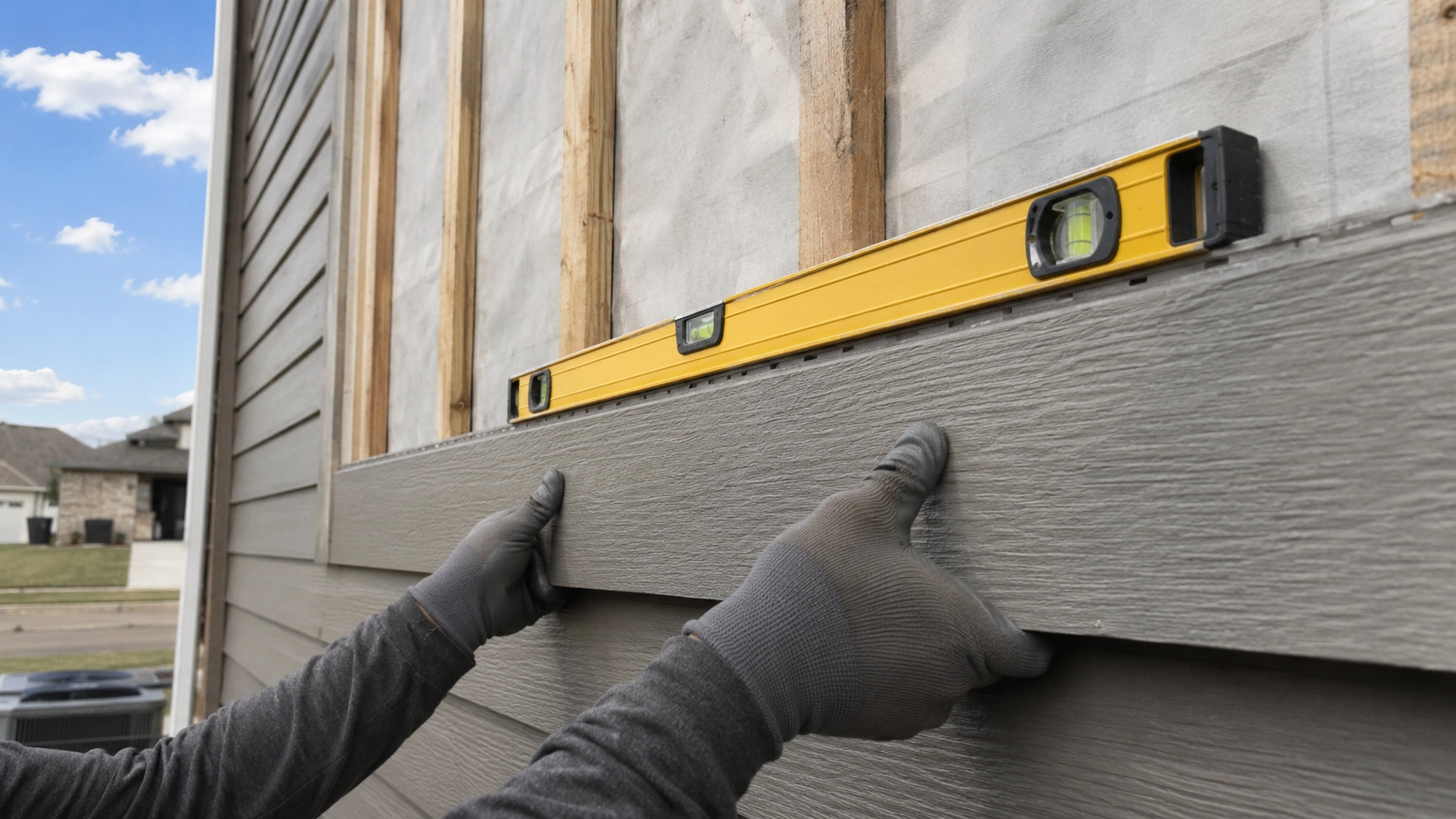
Either way, the install matters as much as the material. Siding that is hung well over proper house wrap, flashed right around windows and doors, and fastened to handle Oklahoma wind will outlast a premium board that was rushed. Every siding project we do at Morgan Windows is backed by our 5-year workmanship warranty, because the part we control is the install, and we stand behind it.
If you are weighing siding alongside other exterior work, it often pairs naturally with window replacement, since the flashing and trim details overlap. You can see how we approach the whole job on our siding installation page.
Get a Straight Answer for Your House
The honest recommendation depends on walls we have not seen yet. We will come out, measure, look at how exposed your home is, and tell you which material actually makes sense for your budget and how long you plan to stay, no pressure and no franchise sales pitch. Morgan Windows is locally owned right here in Northeastern Oklahoma, not a national chain.
Call (918) 400-2326 or request your free in-home estimate. We are available Monday through Saturday, 8 AM to 8 PM, and financing is available on qualifying projects. For independent guidance on siding materials, James Hardie publishes detailed product information on the James Hardie site.